See more of our coverage in your search results.
To the Greeks, Apollo was a god of many things, not least among them prophecy. What better name, then, for a Wall Street firm free to invest in nearly anything based onwhat it sees ahead?
Apollo Global Management became immensely successful thanks in large part to its brilliant and drivenfounder, Leon Black. But somewhere along the line, foresight failed him and, blind to what should have been obvious even to lesser mortals, he became the protagonist of amodern Greek tragedy.
In “Money to Burn” (Portfolio Books) the writer and former investment banker William D. Cohan tackles this epic tale.
To explain the rise and fall of Leon, the author first tells the story of how the firm Drexel Burnham Lambert rose to preeminence, and then how its ingenious alumni and innovations colonized the financial system after its bankruptcy in 1990. Drexel’s collapse came after it pleaded guilty to securities violations; the firm’s renowned junk-bond king, Michael Milken, later did likewise.
But Milken’s insight — that lending to riskier corporate customers could pay big — was never refuted. Thus, when Black and other Drexel veterans launched Apollo, they started out by buying a large, distressed portfolio of the junk bonds that Drexel had pioneered. Apollo similarly feasted on bargains during the financial crisis.
The firm has had winners and losers over the years but overall has performed exceedingly well. Today it is a financial colossus that, among other things, annuitizes retirement savings to fund its lending. Leon and his chief associates, Marc Rowan and Josh Harris, whom he generously made partners, became billionaires.
If “Money to Burn” is a success story, it is also a story about the hazards of new fortunes, which include massive public failure and the fear of betrayal even by lovers and close associates. Leon’s father, Eli, was a tycoon in his own right, but a disastrous merger (essentially, the acquisition of the Chiquita banana business) may have been the impetus, in 1975, for the overworked CEO of United Brands to leap from the 44th floor of what was then the Pan Am Building.
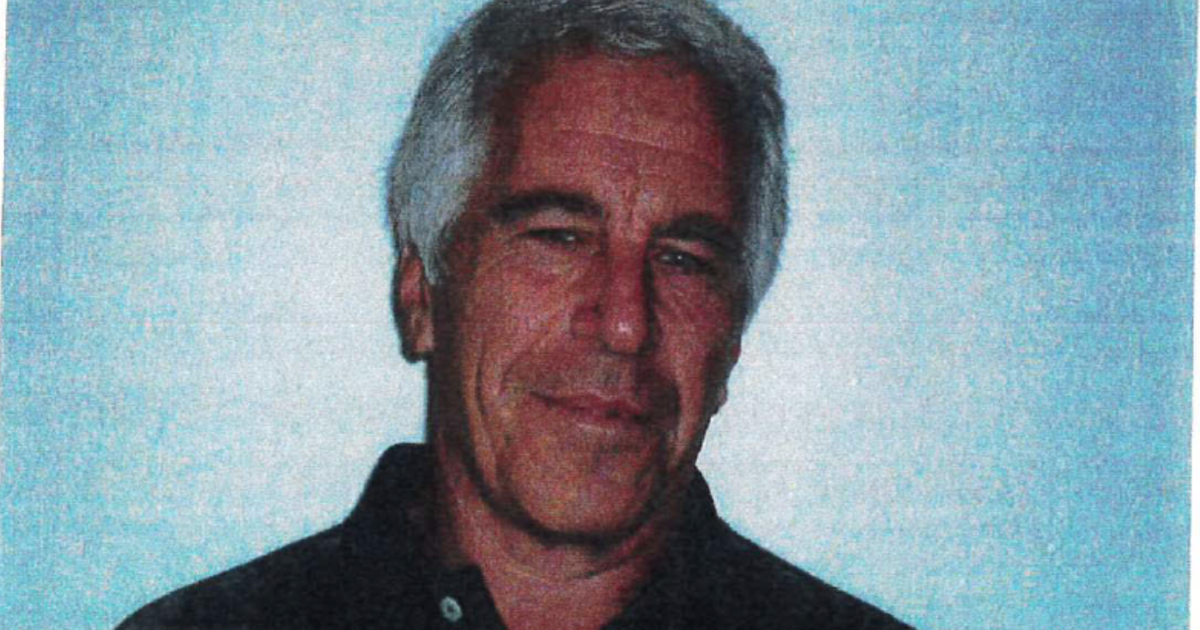
Leon was determined to redeem this catastrophe through success of such magnitude that his father’s failure would pale in comparison. Like his father, Leon too made disastrous acquisitions, but Leon’s worst were human, and the nastiest by far was a brilliant but creepy financial guru by the name of Jeffrey Epstein.
Leon was introduced to that notorious cultivator of men and abuser of women in 1996, and Epstein would come to serve on the board of Leon’s family foundation. Epstein did not have a great deal of formal schooling but seems to have been an able all-around fixer with a particular talent for the arcane tax issues that afflict the wealthy. Leon Black, as someone making hundreds of millions a year, had such problems, and evidently Epstein was able to help in ways that even well-known experts couldn’t. Epstein also advised on Black’s seemingly disorganized family office.
For these services, Epstein charged a lot, and “Money to Burn” quotes emails in which he portrays himself as a loyal but martyred friend from whom Leon withholds millions in well-deserved fees. “To help out,” Epstein wrote, “[I’m] keenly aware of your current cash position, so I will consider an in-kind payment — real estate (Miami), art, financing of my new plane (allows you to spread over years).”
Leon contended he didn’t really know how much he paid Epstein over the years. They worked largely on a handshake and even large sums were just rounding errors to a man of his wealth. But the Dechert law firm, hired to investigate, reported that the total was $158 million, a figure so high that some people wondered if the money was for something less innocuous than tax advice.
Epstein was a convicted sex offender, of course, who died in custody in 2019 awaiting trial on further such charges. His death was ruled a suicide. And Leon was, the author says, “the scion of ten generations of Orthodox rabbis.” Dechert found no evidence that Leon or Apollo was involved with Epstein’s criminal activities. But Cohan describes himself as “incredulous” that Leon “would have such a loosey-goosey fee arrangement with Epstein,” especially since Leon was “reputedly one of the world’s toughest negotiators.”
On Jan. 25, 2021, the day Dechert’s report came out, Leon announced a succession plan in which he would remain chairman while giving the CEO role to Rowan later in the year. But on March 17, Apollo’s tsar was publicly accused by former Russian model Guzel Ganieva of harassment, coercion and abuse. In a later lawsuit, the book says, she accused him of rape.
Days later, Leon resigned from Apollo altogether, even though he remained the largest shareholder in the firm that was his life’s work. Back in 2015 he had worn a wire to a series of meetings with Ganieva during which she demanded $100 million for her silence. The erstwhile lovers settled on $21 million spread over 15 years, and Leon had been paying. After Ganieva signed the nondisclosure agreement, according to the book, they both sighed, she laughed, and then she said: “You know I still love you very much.”