Posted byMitchell A. Sobieski|Sep 21, 2026
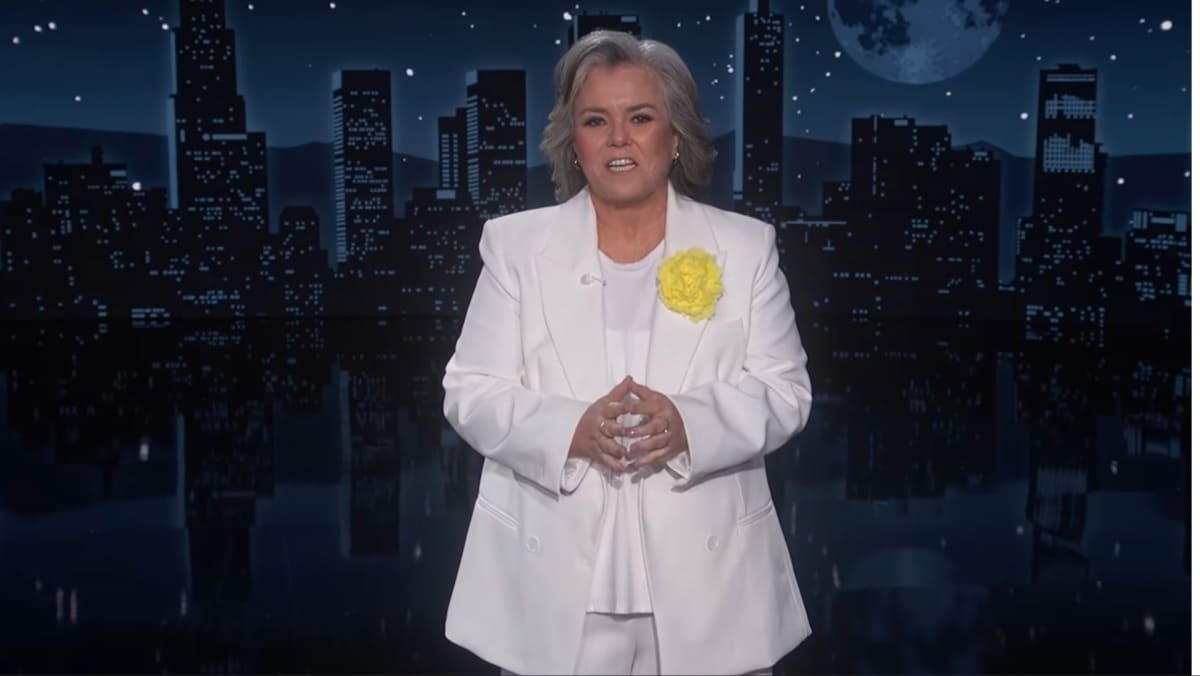
The allegation by Tucker Carlson, that President Donald Trump personally ordered a cover-up of the Jeffrey Epstein files, moved the longrunning controversy from a fight over delayed disclosure into a direct claim of presidential suppression.
The claim, published in aVanity Fairprofile and then reported in September by Alex Woodward forThe IndependentasTucker Carlson claims Trump gave direct order for Epstein files ‘cover up’did not come from a Democratic opponent or an outside critic.
The charge came from Trump’s own political ecosystem. As a conservative media figure, Carlson had supported Trump, appeared alongside Trump and Vice President JD Vance during the 2024 campaign, and remained a powerful voice among voters who helped return Trump to the White House.
His break with Trump does not erase that history. It makes the cover-up claim more politically significant because it did not originate from a traditional Trump opponent.
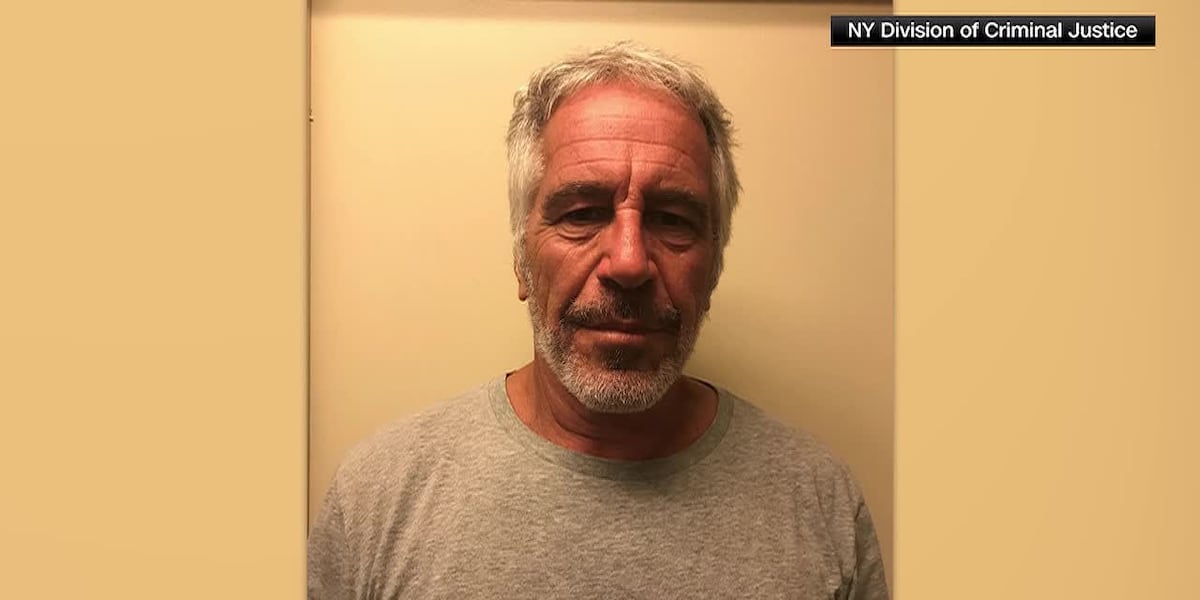
The Epstein files are also not ordinary political records. They involve Jeffrey Epstein, a wealthy and politically connected sex offender whose social network crossed finance, politics, philanthropy, academia, royalty, and media.
Epstein was found dead in federal custody in 2019 while awaiting trial on sex trafficking charges. His death left unresolved questions about his operation, the people who surrounded him, and whether powerful figures like Trump received protection from exposure, prosecution, or institutional accountability.
That is why a cover-up allegation is not a minor media flare-up. The public issue is not whether every person named in Epstein-related records committed a crime. Appearance in those records does not establish criminal wrongdoing, and Trump has denied wrongdoing connected to Epstein.
The public issue is whether the Trump Administration withheld records in a scandal where the possibility of elite protection, and Trump himself, has always been central.
Carlson’s claim fits into a larger battle over who controls the public record. Congress passed the Epstein Files Transparency Act, and Trump signed it on November 19, 2025. The law directed the Justice Department to produce, with limited exceptions, records, files, videos, and images related to Epstein investigations and prosecutions.
Trumps’s Justice Department did not open the archive in a clean act of compliance. The release process became a second scandal, involving delayed production, heavy redactions, withheld material, exposed victims, and shielded names. The Justice Department’s observable obstruction deepened the charge that Trump was still managing the truth rather than releasing it.
The January 30 document release cannot be treated as proof that Trump’s Justice Department complied with the Epstein Files Transparency Act or disproved Carlson’s cover-up allegation. Page volume is not the same as disclosure.
That is the issue at the center of the post-law fight. Congress forced the files into a statutory release process because voluntary disclosure had already failed. Trump signed the law after pressure made refusal politically unsustainable.
His Justice Department then controlled the release process. That means the department’s delays, redactions, omissions, and victim-exposure failures cannot be detached from Trump’s power. They are part of the administrative form of the alleged obstruction.
The conduct that followed must be read against that charge. Those facts do not settle every disputed question, but they make some point unavoidable.