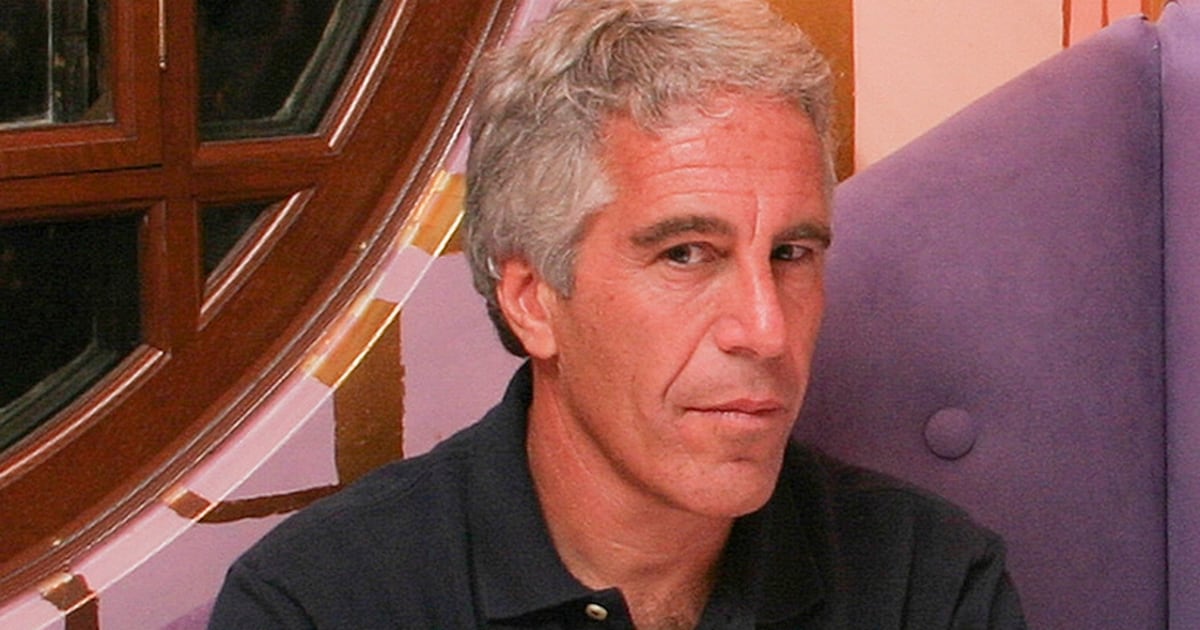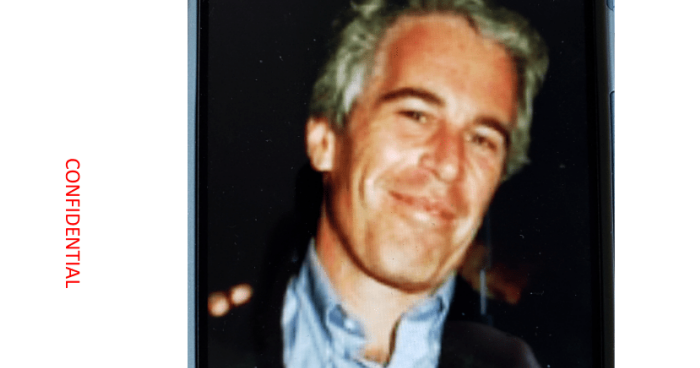
A cropped well-known photo of Jeffrey Epstein and Donald Trump that Jane Doe 4 used to identify the New York financier during a 2019 interview with FBI agents.
From the beginning, FBI agents flagged for special care their interviews with a woman who claimed she was sexually assaulted by financier Jeffrey Epstein while she was a teenager living on Hilton Head Island.
Agentstyped “PROTECT SOURCE” at the top of formal interview reportsand “confidential” was stamped across the bottom, alerting colleagues to their sensitivity. Her four interviews during the flurry of FBI activity around Epstein’s 2019 sex trafficking arrest are the only witness interviews labeled with both clear internal warnings, according to a Post and Courier review of records published by the U.S. Justice Department.
The woman told agents she believed she was being followed and felt intimidated by harassing phone calls, including one to her mother at a West Coast assisted living facility. It is unclear if her attorney asked that her interviews be protected or if agents decided that on their own.
But the woman’s allegations soon took an unorthodox path after veering from Epstein to an unprovenaccusation against Donald Trump, who was serving his first term as president when she spoke with agents. She was one of two alleged Epstein victims to directly accuse him of sexual misbehavior before he became president — claims strongly denied by the White House.
Despite the sensitivity, a folder containing the woman’s case evidence, including handwritten agent notes and three photographs, was never forwarded for review or discussed in writing with the U.S. Attorney’s Office, according to documents and interviews. No public records show that agents contacted any potential witnesses she named.
The FBI interviewed her four times, then the conversations ended.
The Post and Courier used a tool called Sourcebase.ai and the DOJ’s online Epstein Library to do targeted searches of some 3.5 million pages of records. Reporters also interviewed six former FBI agents, prosecutors and federal judges to give their insights on why the agency could have devoted so much time in late 2019 to the woman but ultimately did not pursue her case. The former officials requested anonymity so they could discuss the sensitive case.
The review offers a partial picture because it captures no phone calls or in-person communications among players in the Epstein investigation, a choice that agents said keeps such conversations from being used as evidence by defense attorneys in future prosecutions.
“I think they could come and bite you in the ass if you're putting on paper where you're documenting your opinion of someone's credibility,” one agent said. “A defense attorney could come back and use it against you.”
The newspaper’s analysis raises questions about how federal officials evaluated the accuser’s credibility, the seriousness given to her allegations about Trump and the sensitivity they applied to her case.
It also helps explain why members of Congress, including South Carolina Rep. Nancy Mace, haveinsisted that fired Attorney General Pam Bondi testifyunder oath before the House Oversight Committee to answer questions about the case and DOJ’s fumbled release of documents. Bondi did not comply with the committee’s subpoena to appear April 14.
First Lady Melania Trump recently called for Congress to hear from victims, who have mobilized to protest their treatment by the U.S. justice system. The Post and Courier has not named the former Hilton Head resident in keeping with the paper's general policy regarding potential sex crime victims. She has not responded to interview requests. In a recent comment, Trump referred towomen involved in the Epstein caseas “victims or whatever” and said they have “refused to go under oath, which is a little surprising.”
Records related to the former Hilton Headresident’s case were inexplicably withheldfrom two massive document dumps of Epstein files and were later released only after public pressure, leading to concerns that the DOJ was shielding the president. Acting Attorney General Todd Blanche, one of Trump’s former personal attorneys, said the department is done releasing documents, although it continues to hold about 2.5 million pages of records it has deemed “duplicative” or “non-responsive.”
The Post and Courier reviewed dozens of these unreleased files and found a number of details in them that either appear to be redacted from or omitted from what has been publicly released.