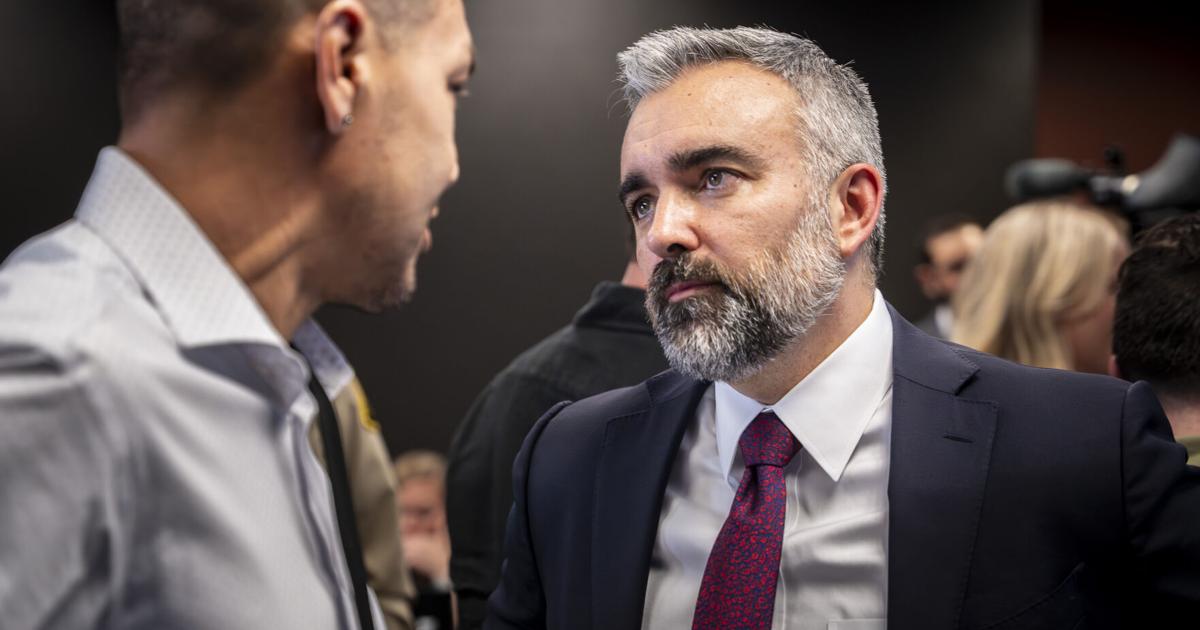
Attorney General Raúl Torrez speaks following a news conference in April in Albuquerque.
New Mexico Attorney General Raúl Torrez says the state’s investigation into Jeffrey Epstein has been stymied by a lack of federal cooperation.
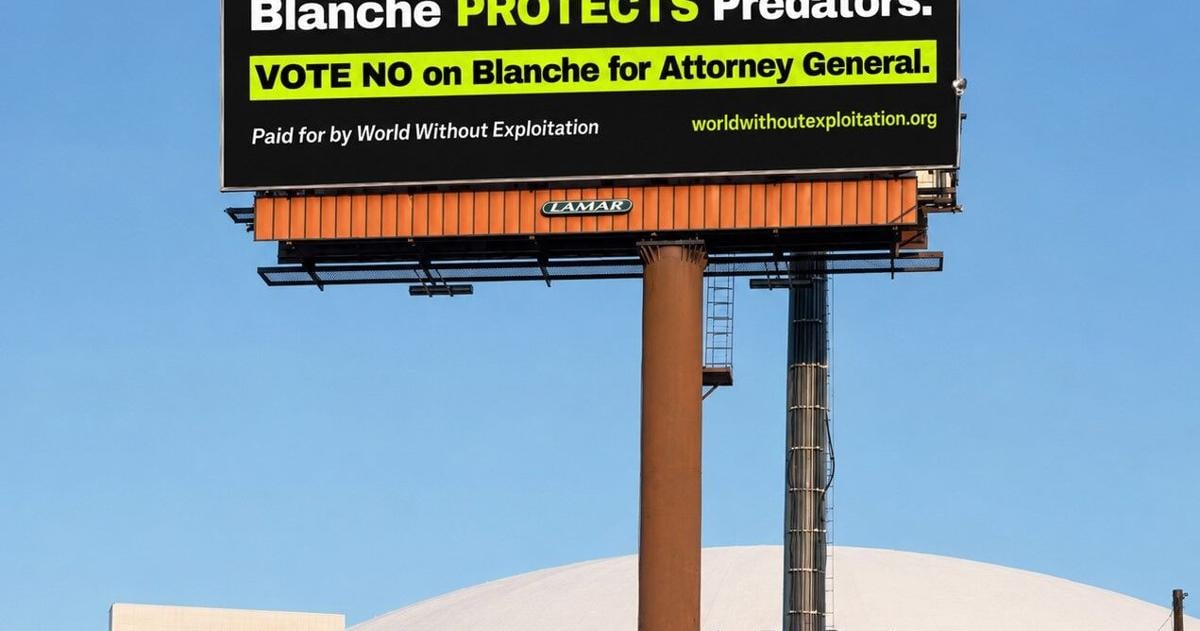
Torrez has again called on the U.S. Department of Justice to turn over unredacted files to state investigators, saying in a June 30 letter to acting Attorney General Todd Blanche that 130 days had passed since the state requested the records.
“Without complete and prompt access to relevant unredacted records held by the United States Department of Justice, survivors of serious criminal conduct at Jeffrey Epstein’s Zorro Ranch in New Mexico are being denied justice,” Torrez wrote in the letter, which released publicly Thursday.
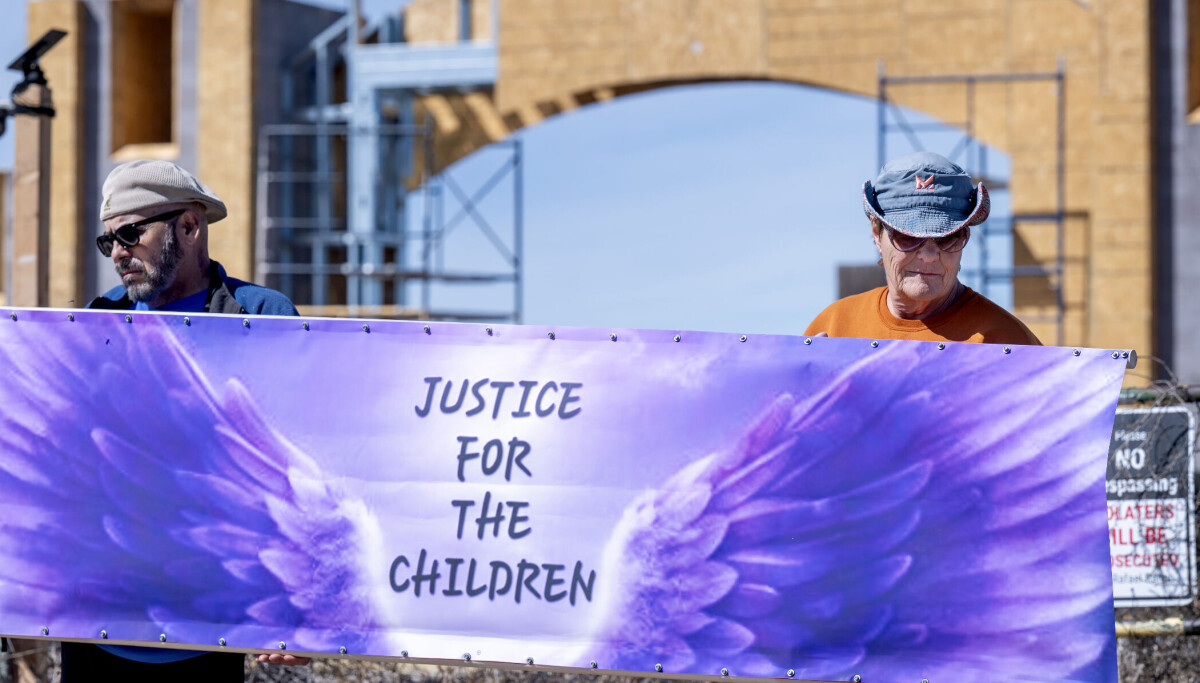
The New Mexico Department of Justice earlier this year reopened a criminal investigation into the late sex offender’s activities in the state. The investigation is operating in parallel to one underway by a legislative subcommittee known as the “truth commission.”
Epstein, a financier, owned the sprawling Zorro Ranch in southern Santa Fe County from 1993 to his death in 2019 — when he was in jail awaiting a trial on charges of child sex trafficking.
According to Torrez’s letter, the state agency initially requested access to unredacted versions of “all pertinent records” March 13, and submitted a formal legal letter requesting access May 3. The state followed up in late May and early June without a response, according to the letter.
Although the U.S. Department of Justice released millions of files under the federal Epstein Files Transparency Act late last year and early this year, many are heavily redacted.
Torrez wrote the redacted files show “multiple survivors were brought to Zorro Ranch in Santa Fe County, New Mexico, on numerous occasions, where they were subjected to sexual abuse and exploitation.”
However, beneath the redactions are the names of “survivors, witnesses, co-conspirators, and other individuals whose identities are essential to the NMDOJ’s ability to fulfill its obligation to investigate and prosecute criminal conduct occurring within this State,” Torrez continued.
A spokesperson for the U.S. Justice Department didn’t immediately respond to a request for comment.
Torrez wrote in the letter the delay is eroding “the foundation upon which a New Mexico prosecution could be built” and creating “legal hurdles related to statutes of limitation and due process.”