NEWS
State’s top prosecutor says multiple requests for original records have been effectively ignored
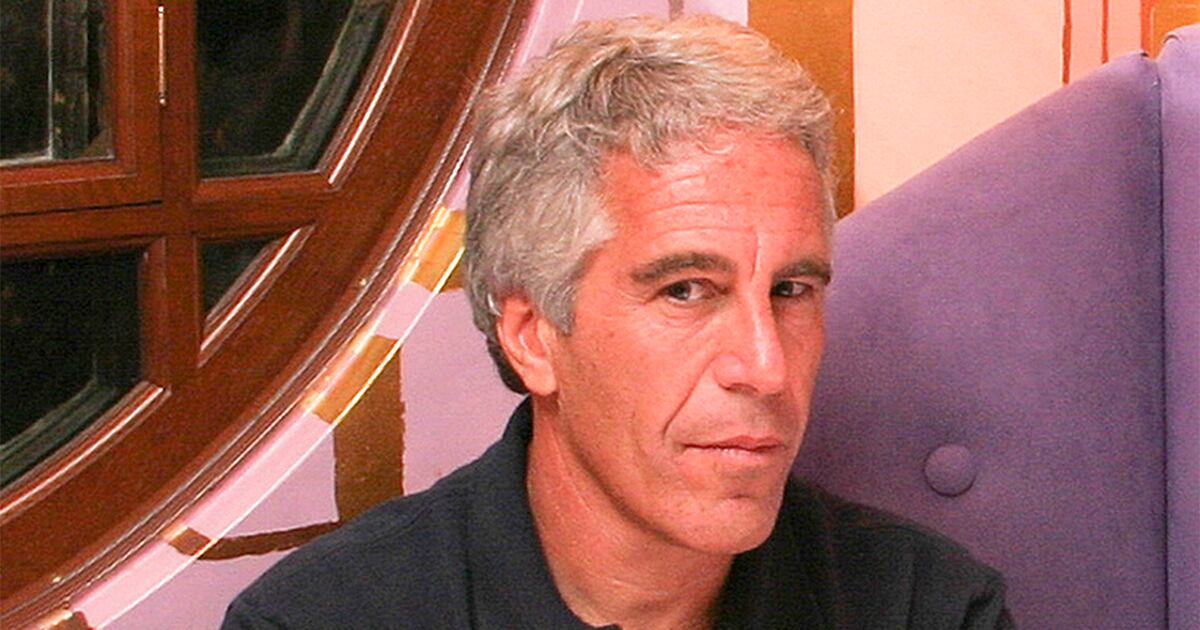
SANTA FE — New Mexico Attorney General Raúl Torrez has accused a federal agency of hindering the state’s revived criminal investigation into Jeffrey Epstein’s past ties to the state by refusing to turn over unredacted files.
In a recent letter to acting U.S. Attorney General Todd Blanche and one of his top deputies, Torrez said requests for full access to U.S. Department of Justice files have been effectively ignored.
“Every day that the USDOJ withholds these records, the foundation upon which a New Mexico prosecution could be built erodes,” said Torrez, who added that contacting witnesses and authenticating evidence has become more difficult with the passage of time.
He also said additional delays could pose legal hurdles, including a possible expiration of the statute of limitations to file criminal charges.
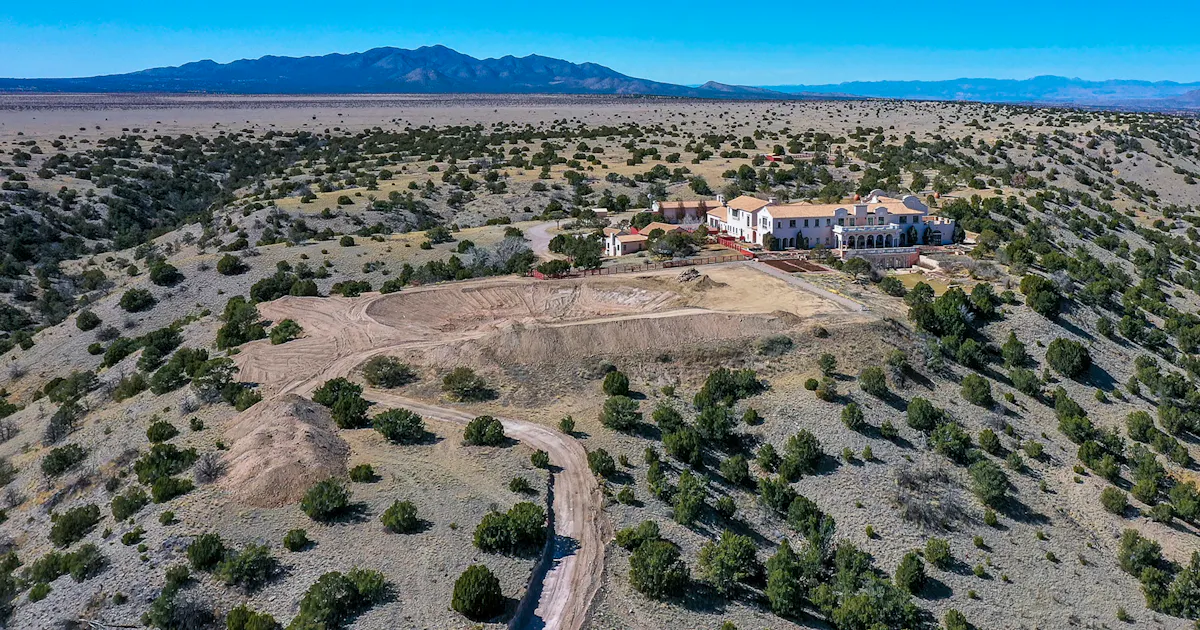
Torrez announced in February that his office wasreopening a criminal investigationinto Epstein’s former Zorro Ranch in southern Santa Fe County. Investigatorssearched the 7,500-acre ranch in March, though the results have not been publicly disclosed.
New Mexico state officials had previously investigated Epstein’s actions, though no criminal charges were filed in the state. Former Attorney General Hector Balderas said federal prosecutorsasked the statein 2019 to halt its investigation, promising to share evidence that was ultimately never provided.
Torrez cited that history in his letter, while also saying multiple requests for investigative materials and records have gone unfulfilled over the last five months. That includes a June request for an in-person meeting while Torrez was in Washington, D.C.
The state’s top prosecutor said his office is willing to abide by confidentiality provisions imposed by the U.S. Department of Justice, but said redacted records that have been publicly released shield key details that prosecutors need to build a case. The DOJ did not immediately respond Thursday to questions about the state’s request.
“Every avenue of investigation that begins with a redacted name, a blacked-out face, or an obscured date is an avenue that ends before it begins,” Torrez said.
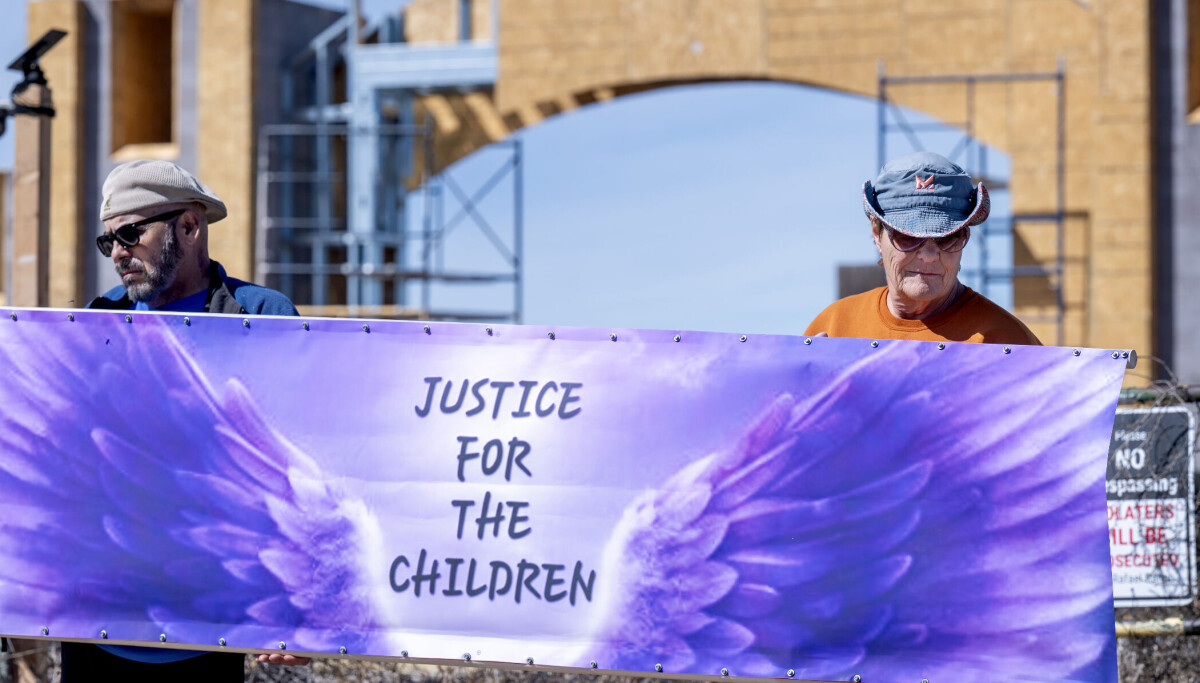
Epstein purchased the Zorro Ranch from the family of former Gov. Bruce King in 1993. The property is located near Stanley and features a 33,339-square-foot mansion, pool, hot tub and other structures. It was sold for an undisclosed price in 2023 to the family of Texas real estate mogul Don Huffines, who has said he plans to convert it into a Christian retreat center.
Court documents and civil cases have accused Epstein of sexually assaulting teenage girls and women at the ranch, which was one of several properties owned by Epstein. The financier and convicted sex offender also reportedly had homes in New York, Florida, Paris and the U.S. Virgin Islands.
One plaintiff described the property in 2019 as being “like a park” where teenage girls were encouraged to ride horses and ATVs, and to use the pool and hot tub.
Epstein died in August 2019 in a New York City jail while he was awaiting trial on sex trafficking charges in New York and Florida. Medical investigators determined at the time that he died by suicide.