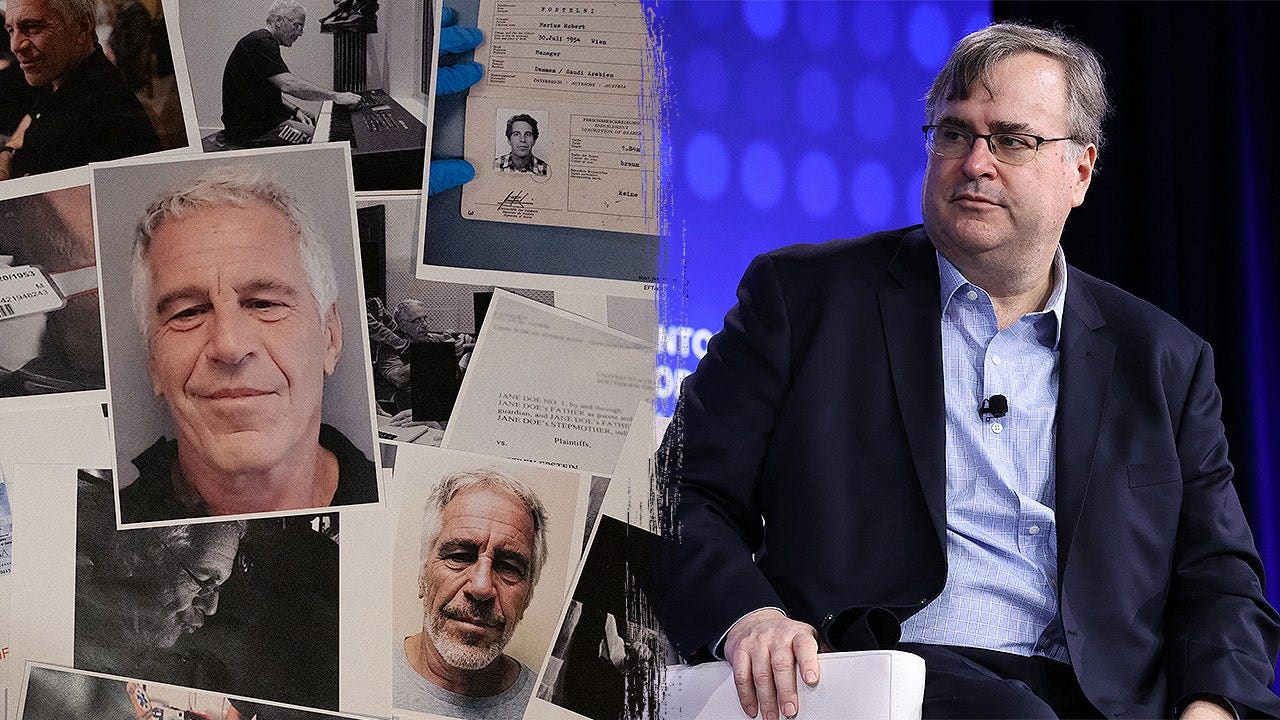
Standing in front of red and green tractors on an unseasonably warm October afternoon, Sherrod Brown made his pitch for returning to the Senate: Inflation, diesel prices and the cost of healthcare were out of control, the former Ohio senator said, while his Republican opponent, Sen. Jon Husted, was a “special interest guy in Washington.” One name never came up: Jeffrey Epstein.
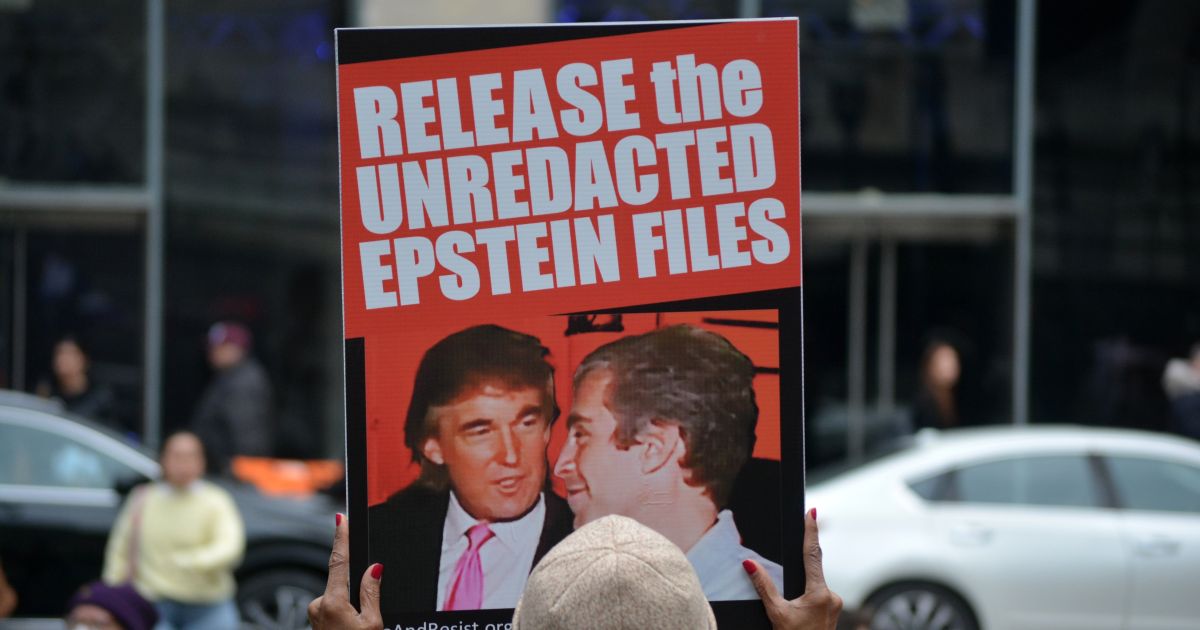
Brown’s in-person message as early voting was getting underway in Ohio was a far cry from some of the ads that had earlier this year flooded this battleground state, where the Senate race could help decide control of Congress. Epstein, a convicted sex offender whose name has become political shorthand for dark suspicions about the wealthy and powerful, has beenused by candidatesthis election cycle to cast their opponents as morally compromised.
Yet in the final stretch of the midterms, the candidates are calibrating how much they lean into the issue as they court voters in cities, suburban towns and rural areas across the state.
“My first priority is how to bring prices down,” Brown told CNN when asked how high the Epstein issue would rank for the former senator if he were to return to Washington. “That means ending this war; that means ending these tariffs.”
He spoke to CNN at a “Farmers for Brown” event in Ashville, south of Columbus, shortly after meeting with a group of Epstein survivors who were in town. Brown declined to share details about the private gathering.
Brown’s campaign has run ads accusing Husted of receiving money from billionaire donor and Ohio nativeLes Wexner, who was identified in government documents as one of Epstein’s co-conspirators. Husted, in turn, has accused Brown of accepting money from Epstein “associates” — though thelist of donors includesthose with tenuous connections to Epstein or whose connection predates Epstein’s mid-2000s arrest.
How the Epstein issue might affect the midterms was anyone’s guess, Brown said, before once again emphasizing that the economy is the single concern he is hearing about most from his former constituents: “Everywhere, people are talking about prices.”
Ahead of Husted’s meeting with a group of doorknockers on the same day in October, CNN asked the senator whether he believes Wexner had enabled Epstein — an allegation that some Epstein survivors have made.
Without addressing Wexner’s potential complicity, Husted told CNN that he donated any campaign contributions he received “from anyone that was in those files” to charity and that he was also working on legislation to stop human trafficking.
“I’ve always been supportive of releasing the Epstein files. What’s out there is because of what I made to make it happen,” he said when asked whether Congress should push the Justice Department to release the rest of the Epstein files.
Epstein was Wexner’s longtime money manager. Wexner has not been accused of criminal wrongdoing and in a voluntary interview earlier this year with the House Oversight Committee, he denied any knowledge of Epstein’s criminal activity.
A recent CNN analysis found that candidates and outside groups have aired more than 160 unique Epstein-related ads in the 2026 midterms, backed by more than $35 million in airtime. Epstein has been invoked overwhelmingly by Democrats — and occasionally by Republicans — to attack opponents or promote themselves.
Epstein floods the midterms as campaigns spend $35 million on more than 160 ads
In Ohio, more than $6 million has been spent on Epstein ads, in races up and down the ballot.
In the closely watched House race for Ohio’s 9th Congressional District, the longtime incumbent Democratic Rep. Marcy Kaptur, who won in 2024 by just more than 2,300 votes, has issuedadsthis cycle saying she is not working for “the Epstein class.” She also hosted a roundtable in Toledo with Epstein survivors last weekend.