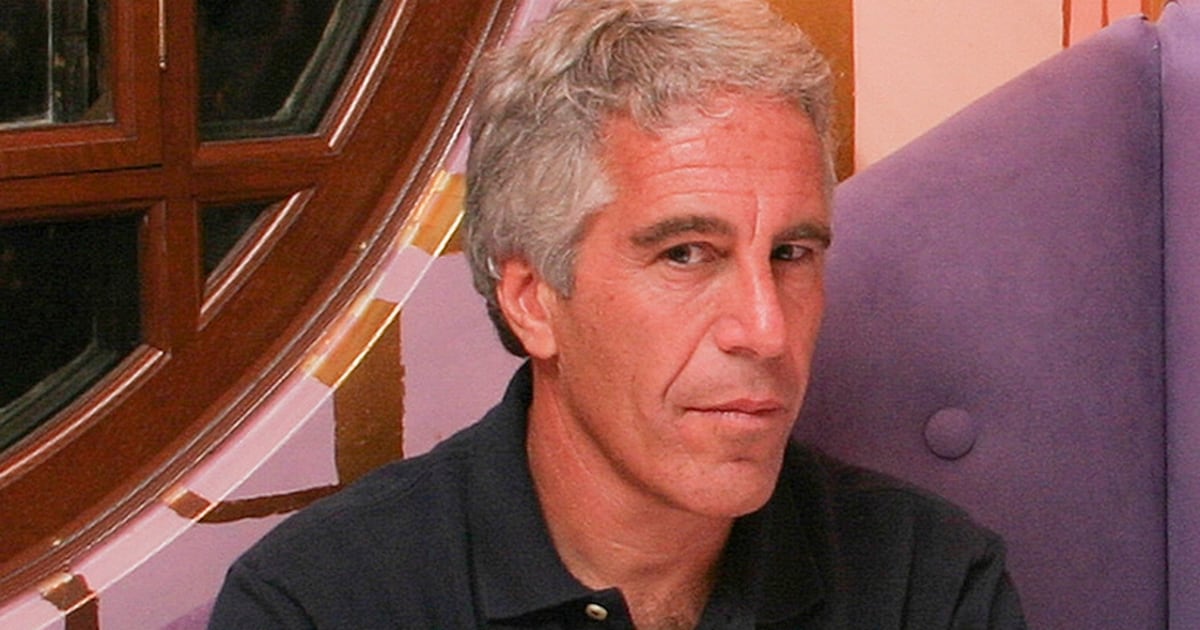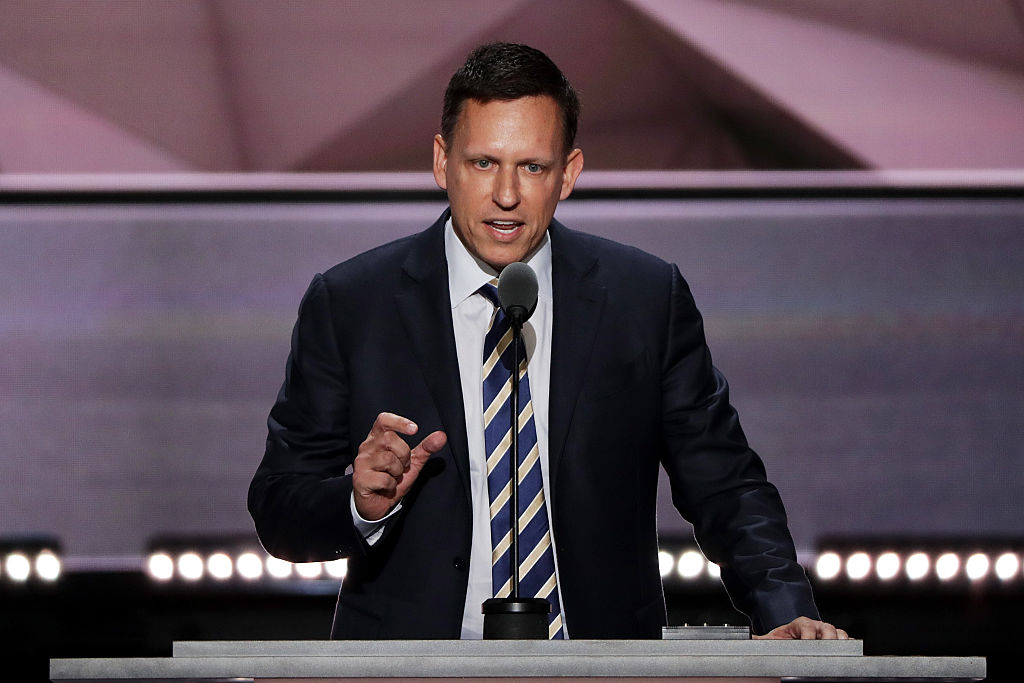
Peter Thiel has gone from reclusive billionaire to high-profile political overlord. Hundreds of emails show that that journey was encouraged and facilitated by the late billionaire who considered him a “great friend”: Jeffrey Epstein.
The Epstein files reveal extensive, friendly, encouraging correspondence between far-right billionaire Peter Thiel and Jeffrey Epstein. (Alex Wong / Getty Images)
Jacobin‘s special spring issue, “Teen Jacobin,” is out now.Follow this link to get a discounted subscription to our beautiful print quarterly.
It wasn’t so long ago that Peter Thiel was a reclusive figure, so protective of his privacy that he bankrolled a lawsuit to ruin the news outlet that publicly revealed he’s gay. A decade later, the fifty-eight-year-old Thiel no longer avoids the political spotlight.
Over the past decade, Thiel hasbecomeanincreasinglyactiveandvocalright-wingpolitical donor. Central to this is his close, more-than-decade-long relationship with his former employee andprotégéJ. D. Vance, the vice president and Donald Trump’s likely successor as leader of the Republican Party, whose political ascent — first to theSenate, thenintoTrump’s good graces, and finally thevice presidency— Thiel has bankrolled and facilitated. As recently as a month ago, the two menreportedlysat down for a private dinner in the vice president’s residence.
Thiel’s close relationship with Vance and other youngright-wingersall but ensures that the tech billionaire will continue to shape politics and policy for many years — decades, if his technological plans to extend his lifespan work out. And, in spite of Jeffrey Epstein’s mysterious death seven years ago, it ensures the same for the quiet influence of the billionaire pedophile, who private emails show was not only good friends with Thiel but encouraged Thiel’s involvement in right-wing politics.
Among the millions of Epstein-related documents released by the Department of Justice so far are hundreds of email exchanges between Epstein and Thiel that show the deep, symbiotic friendship between the two men. In return for Epstein’s favors and tax advice, Thiel provided investment insights and served as something of a reputational shield. When Thiel expressed a growing interest in geopolitics, Epstein encouraged his curiosity, setting up meetings with officials and political power players at home and abroad. After Thiel became part of the 2016 Trump campaign, Epstein urged him to grow his influence within Trumpworld and advised him on how to do it.
As with hisfriendshipwith former Trump mastermind Steve Bannon, Epstein’s emails with Thiel show the late billionaire’s knack for ingratiating himself with the powerful and influential, particularly those who might have sway in the White House of his former “closest friend,” Trump. In Thiel’s case, it’s a knack whose effects may be felt in the political landscape for a long time to come.
It’s not clear exactly when Epstein and Thiel became friends. Emails suggest the two had no relationship in February 2013, the date of anaudio recordingunearthed earlier this year in which Epstein advised his friend, then-outgoing Israeli Defense Minister Ehud Barak, to get involved with Thiel and his surveillance firm Palantir.
For years, Epstein unsuccessfully tried to connect with the tech billionaire, at that point best known for cofounding PayPal and later selling it to eBay for $1.5 billion —at leasttenseparatetimesbetweenAugust 2009andNovember 2012,according toemailsreviewedbyJacobin. Other times,peoplein hiscircleofferedtomakean introduction, his primary conduit beingIan Osborne, a former British fixer who was well connected, and well invested, in Silicon Valley.
Emails suggest that what may have initially drawn Epstein to Thiel was his interest in creating an alternative financial system. In one of the earliest Epstein documents that mentions Thiel, anAugust 2009 emailfrom Epstein to literary agent John Brockman requesting that they be brought together, Brockman told him that he would need a reason for the sit-down to happen.
“Idea is now is the time for a new financial alternative, that is what PayPal started as,” Epstein replied. (Jacobinhas, as usual, cleaned up Epstein’s often borderline-incomprehensible grammar.)
Another mutual acquaintance, computer scientist Ben Goertzel, an early champion of AI, dangled the prospect of personally interacting with Thiel as a way to get Epstein to the Singularity Summit, a yearly gathering of AI superintelligence enthusiasts, in October that year. Thiel “wanted to start his own currency outside the scope of nation-states,” Goertzeltoldhim.
The vision Epstein had in mind bordered on the goofy. Hetolda friend years later that he thought Facebook could be the basis for that alternative system, in which Facebook “friends” would trade “favors.” Silly as it sounded, Epstein was dead serious, pitching the idea personally to Thieltwoseparatetimesyears later. It appeared to be related to his interest in cryptocurrency, as suggested by anApril 2016 emailto Thiel about former Obama economic adviser Larry Summers joining the effort.
“Larry Summers is now on board with rethinking the financial system, digital currency etc.,” he wrote Thiel. “He will join with us in concocting a plan. Fun.”