Updated on: July 14, 2026 / 1:15 PM EDT/ CBS News
When elite Swiss banker Ariane de Rothschild sought to extract her company from the teeth of a federal investigation into its role in helping high-end customers hide potentially billions from the IRS, documents show she turned to an unexpected American businessman for help: convicted sex offender Jeffrey Epstein.
In this new role, Epstein appears to have helped Edmond de Rothschild, one of Europe's largest private banks, resolve a menacing Justice Department investigation, garnering him a $25 million fee. And in doing so, he displayed another facet of his ability to tap his network of wealthy and powerful patrons for his personal gain.
As Epstein himself explained it in a Dec. 11, 2015, email to Rothschild, he had helped negotiate a deal for the bank to pay $45.5 million to the IRS, $10 million in legal fees, and $25 million to him — which he sold as a bargain.
"All less than 80 [million dollars] pretty good," he wrote.
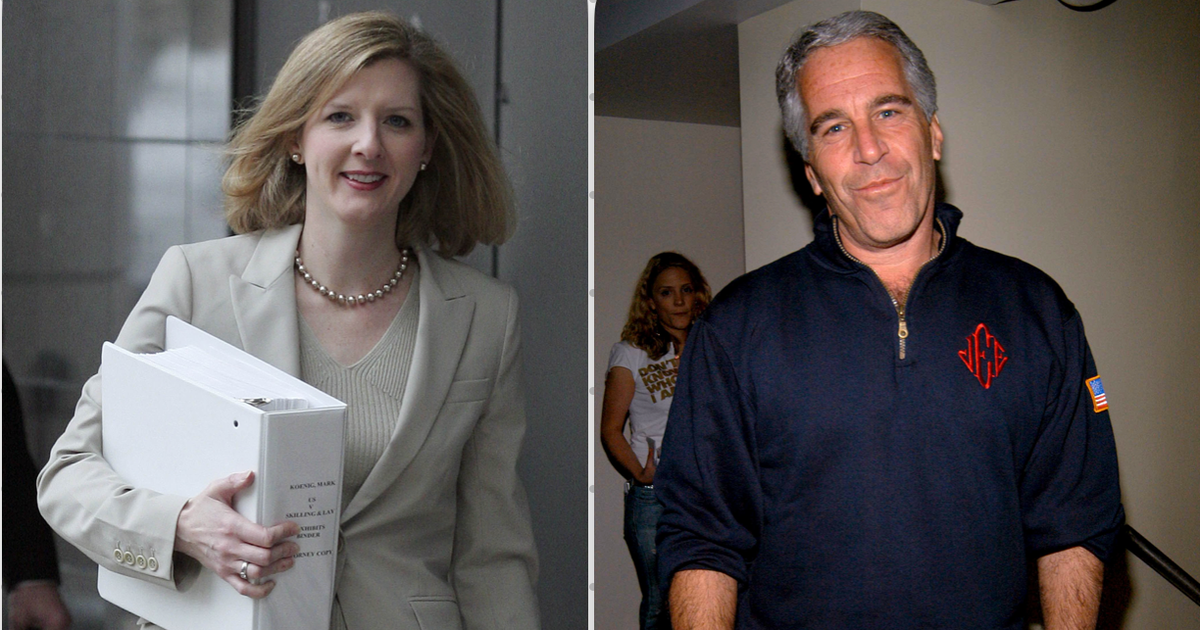
Congress will hear from a figure at the center of those negotiations Wednesday. The Swiss bank's American lawyer on that matter, Kathy Ruemmler, a former Obama White House attorney, will be appearing before the House Oversight Committee to answer questions about her documented longstanding ties with Epstein.
A review of documents from the Epstein files released by the DOJ reveals details about his involvement in that settlement and how he achieved the mega payout.
What emerges is a glimpse at how Epstein mastered the appearance of expertise, combined it with a talent for brokering relationships, and through minimal work parlayed it into immense wealth.
The Justice Department launched an investigation it calledThe Swiss Bank Programin August 2013. It was based on allegations that certain Swiss banks, including Rothschild's, had assisted Americans in hiding assets through a variety of means including concealing ownership of accounts.
Epstein and Ariane de Rothschild, the bank's leader, were first introduced that same year by a mutual friend, emails show. Epstein had finished up his period of incarceration and house arrest in 2011 following his plea deal for soliciting a minor for prostitution, and was a registered sex offender. But his social and business calendar remained full.
Epstein quickly began offering advice to Rothschild. Soon after their first meeting, Rothschild wrote to Epstein: "Thank you much for sharing your thoughts with me. I truly appreciate it as you well know how few people do so and have the courage of their opinions."
People who interacted with Epstein at the time told CBS News that the academics, financiers and diplomats who continued their association with him gave him a patina of respectability, persuading them to ignore his past crimes.
Epstein's criminal charges and the resulting negative publicity had, however, led to his loss of the billionaire retail magnate Leslie Wexner as a client, who had been the main source of Epstein's wealth for over a decade. Payments from thefinancier Leon Blackallegedly for tax and estate planning were now bringing in tens of millions of dollars, allowing him to continue his lavish lifestyle. In a statement to Congress, Black called Epstein's services "highly valuable," and he said Epstein's work on his taxes "was responsible for billions of dollars in savings" and "had been vetted by reputable law and accounting firms."
But emails show Epstein was still on the hunt for other sources of income.
Rothschild had married into the famous banking family and had been handling operational duties there since the mid-1990s. Suddenly the bank was facing an existential moment as the U.S. government threatened major fines and potential charges. Enter Epstein.