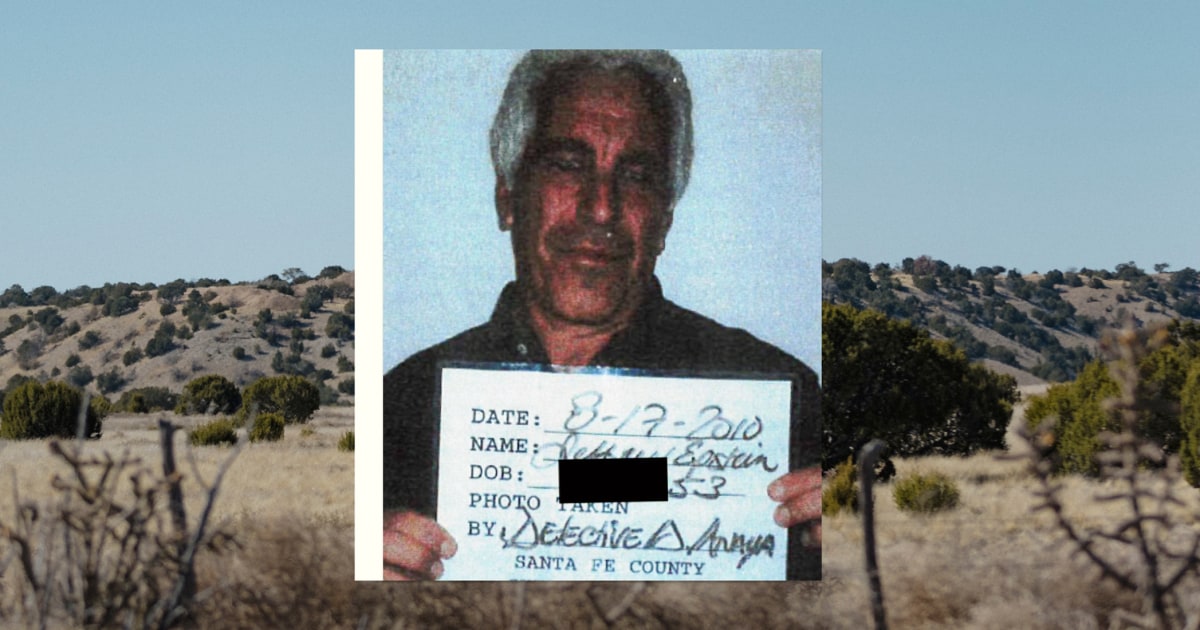
At least 10 women and girls say they were groomed at what was once Jeffrey Epstein's Zorro Ranch in New Mexico.
To girls without much money who needed help with college or a career, visiting Jeffrey Epstein’s 10,000-acre New Mexico ranch felt like being treated to an exclusive resort.
Flown in from around the country to the gated compound, they rode horses across a mesa dotted with ancient rock carvings. They posed for pictures at Epstein’s 26,700-square-foot mansion. They hiked, swam, shopped and watched movies.
Hanging out with a wealthy middle-aged man was weird, but Epstein made the girls feel special. He asked about their goals, offered advice and handed them cash. And then the trips turned dark.
Epstein touched their thighs, had them strip for a massage or attacked them with a sex toy, and the girls grew confused and frightened. Alone, far from home and surrounded by photographs of Epstein with celebrities and politicians — some of whom had visited the ranch — they believed there was nothing they could do to stop him.
One victim, 15 at the time, jumped on an ATV the day after Epstein assaulted her and went racing across the property with another young guest and crashed into a tree. “Don’t worry,” the other girl said, the victim later recalled. “No one gets in trouble for anything here.”
The victims eventually understood that Epstein had used money and power to exploit them for sex. Starting in 2006, they began to come forward — not just the girls, but women as well. At least 10 have alleged that starting in the mid-1990s, Epstein groomed or abused them at the ranch, according to an NBC News review of court testimony, lawsuits and other records. Half were teenagers when Epstein harmed them.
Yet to this day, no one has fully accounted for the crimes committed at Zorro Ranch, a failure that confounds victims, local officials and the public. Decades of missed chances allowed the ranch to escape scrutiny, prolonging its secrets and delaying justice for the girls Epstein brought there.
The lost opportunities span the nearly two decades since Epstein was first caught paying underage girls for sex in Florida and cut a sweetheart deal that spared him serious prison time, according to a review of federal and state records, police reports and interviews with current and former officials. The 2008 agreement ended a federal investigation that found at least one allegation of abuse in New Mexico, where weak sex offender laws allowed Epstein to avoid registering with local authorities. The state didn’t make human trafficking a crime until 2008, which left one less pathway to prosecution.
New Mexico authorities didn’t open their first investigation into Epstein until 2019, after the statutes of limitations had expired for some crimes. That investigation was shut down at the urging of federal authorities in New York, who were building their own multistate case but left the ranch largely unexamined.
Only now, with revelations about the ranch turning up in the Department of Justice’s newly released Epstein files — including an unverified tip that two “foreign girls” died during sex and were secretly buried on the property — are state officials promising to finally figure out what happened out there in the high desert. Two fresh investigations have been launched: one by the New Mexico Department of Justice, and one by a truth commission of four state lawmakers. On Monday, state authorities conducted the first ever search of the ranch — six years after Epstein died.
Epstein’s victims and their relatives say the scrutiny is long overdue.
“I ask the FBI and local law enforcement to continue uncovering the evil abuse and trafficking that took place on Zorro Ranch, and hold all those involved, who turned a blind eye, fully accountable,” Rachel Benavidez, a massage therapist who was abused at the ranch during visits starting in 2000, told NBC News in a statement.
But after so many years and with a new owner redeveloping the property into a Christian retreat, it’s not clear that the state will be able to make up for the lost time.
The ranch still elicits a sense of shame for New Mexicans who drive by on Highway 41. Locals have erected a memorial outside the entrance, laying flowers, hammering crosses in the ground and hanging protest signs demanding justice.