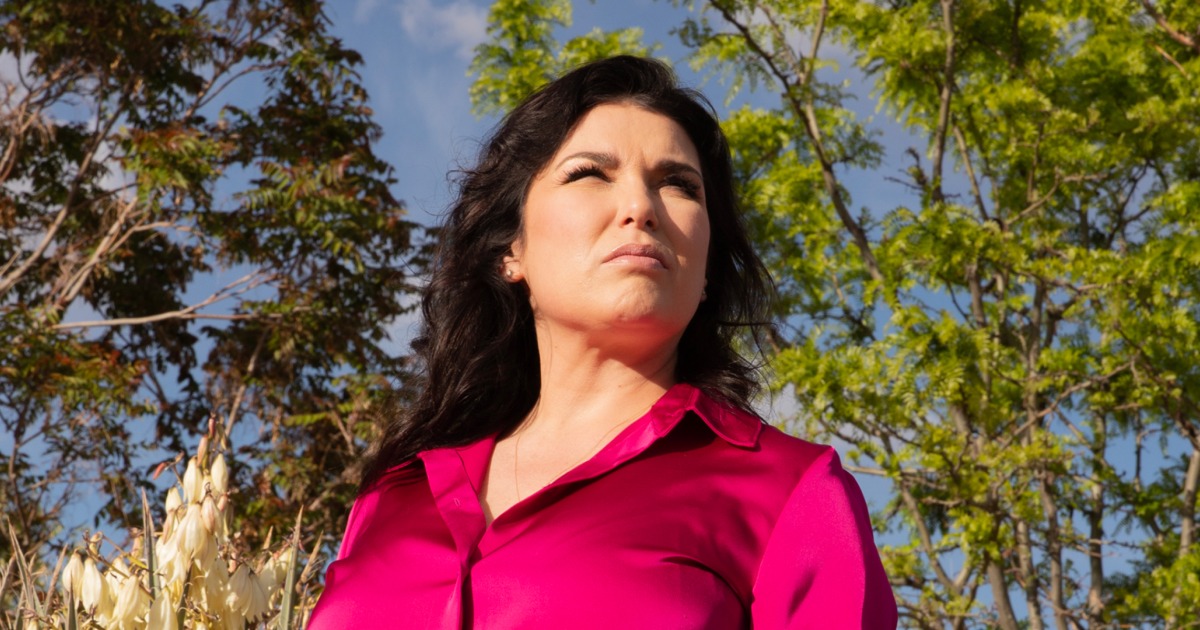
STANLEY, N.M. — More than two decades after she was sexually abused at Jeffrey Epstein’s New Mexico ranch, Rachel Benavidez is still waiting for someone to be held responsible for crimes there.
Subscribe to read this story ad-free
Get unlimited access to ad-free articles and exclusive content.
She is amongat least 10 girls and young womenwho have alleged they were groomed or assaulted at Zorro Ranch, Epstein’s gated compound, beginning in the late 1990s. Benavidez and others said they were lured by promises of money or career help, then found themselves trapped, surrounded by miles of dry grassland with no neighbors in sight. They said they were groped, forced into nude massages, assaulted with sex toys, raped. They overcame paralyzing fear to share their ordeals again and again. And yet authorities have never fully investigated what happened at the ranch.
“Until we are heard, until survivors are heard and believed, then I don’t think there’s ever going to be any justice,” Benavidez, 52, said in a recent interview, her first since the Justice Department in Januaryreleased millions of documentsthat brought renewed attention to Epstein’s activities at the ranch, and missed opportunities to investigate them.
For more on this story, watch “Hallie Jackson NOW” onNBC News NOWtoday at 5 p.m. ET.
The disclosures, including an unsubstantiated anonymous claim that two “foreign girls” died during sex and were secretly buried on the property, prompted state authorities to launch new investigations this year — a criminal case led by the New Mexico Department of Justice and a “truth commission” led by the state Legislature.
Benavidez says she would willingly tell investigators what she endured. Even though Epstein is long dead and his chief accomplice, Ghislaine Maxwell, is in prison, Benavidez says more people need to be held accountable.
“I don’t think it’s too late for the truth to come out about people that were involved and helped him and turned a blind eye to his crimes,” Benavidez said. She has not publicly shared names.
New Mexico Attorney General Raúl Torrez said he is committed tofinishing an investigationthat should have been done years ago. His officesearched the ranchin March, the first time law enforcement had done so. And he promised to give survivors a safe place to share their experiences.
“We are going to do everything we can to get to the bottom of what happened there, follow every lead, no matter how uncomfortable it is or how long it takes, and most importantly, we need to center the voices of victims in this process,” Torrez told NBC News.
New Mexico has long been treated as an undercard in the Epstein saga, although allegations of abuse there date nearly as far back as allegations in Florida and New York.
He bought the ranch in 1993 and visited several times a year, often with girls or young women. In 2008, he pleaded guilty in Florida to paying underage girls for sex and cut a deal with prosecutors that spared him serious jail time and ended a more expansive federal investigation that included New Mexico. In 2019, federal authorities in New York arrested him on a new set of charges that did not mention New Mexico. The New Mexico Attorney General’s Office opened its own investigation of Epstein that year, but stopped at the request of the prosecutors in New York, ultimately sending them the case file.
Former New Mexico Attorney General Hector Balderas, who led the 2019 investigation, said he expected the prosecutors in New York to share evidence that could be used to charge Epstein with state crimes, but he heard nothing from them — not after Epstein was found dead in a jail cell in August 2019, nor after they secured a conviction of Maxwell in December 2021.
Like the sweetheart deal two decades ago in Florida, the missed opportunities in New Mexico represent “a black eye in the justice system,” Balderas said. “Not everybody’s case gets reviewed the same, and sometimes law enforcement and prosecutors don’t do a good job at sharing information and working together to get the conviction.”