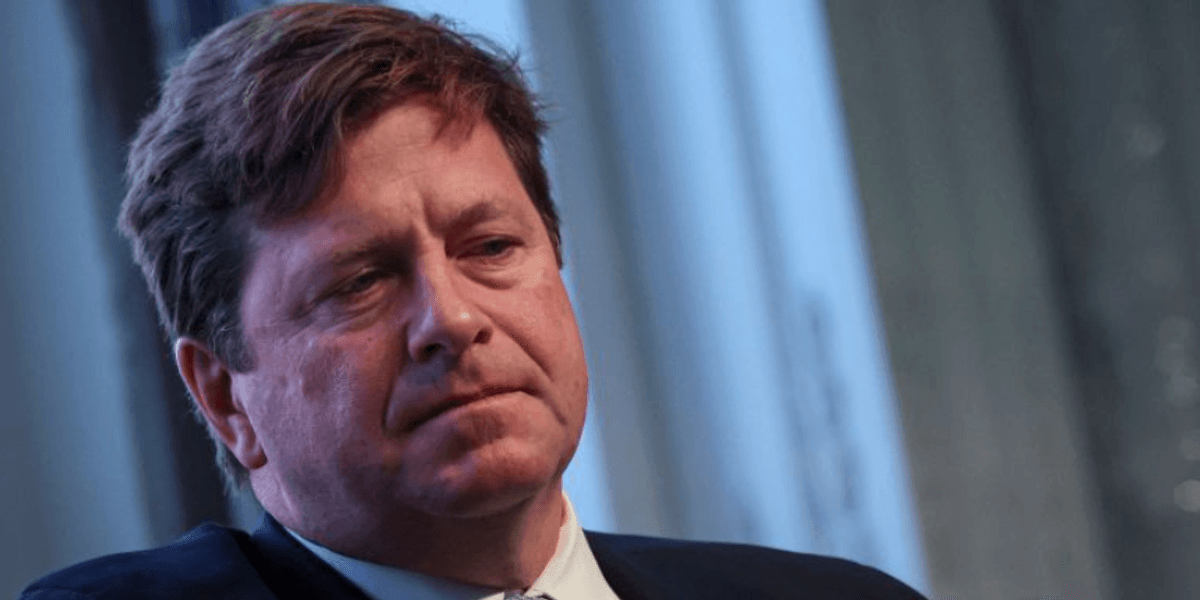
Jay Clayton
One of the unprecedented benefits of the Epstein Files Transparency Act is that the records expose how power actually works – especially among lawyers. A whale like Epstein, a locus of money and influence, attracted elite lawyers no matter how dirty a client he was. The legal circle around him was filled with insiders who began their careers wearing the white hats of federal prosecutors before switching sides to defend immense fortunes and powerful men like Leon Black, Donald Trump, and Epstein himself.
Some of Epstein’s lawyers – Alan Dershowitz, Ken Starr, Jay Lefkowitz, Roy Black – are practically household names now thanks to the infamous Palm Beach plea dealthey helped craft, cutting their client loose to traffic a thousand more women and girls before his death.
Others are more private. But their names come up again and again in the Epstein files – not always actively representing him, but also chatting with, socializing with, and hanging around the sex trafficker and his johns. Some dished more passive assists to the cover-up, such as producingexonerating reportsor leading Trump administrationefforts to tie prominent Democrats to Epstein.
Together, these lawyers possess decades of confidential info on colossal financial (and other) crimes, matters that extend far beyond Jeff. They represent the institutional knowledge of the power networks they have served from well before the 2008 crash, through the second Epstein investigation, and into Trump 2.0’s orgy of corruption. Of course, they are masters of the fine art of the confidential settlement and NDA – the silence-for-money mechanism that the House Oversight Committee has only recently tried to peel back in its Epstein investigation.
Here we take a closer look at four lawyers who matter not just to Epstein, but to the Epstein class: DC-based white collar criminal lawyer Reid Weingarten (2285 mentions in the Epstein files); Brad Karp, former chairman of Paul, Weiss, Rifkind, Wharton & Garrison (1801 mentions in the Epstein files); Dechert LLP partner Andrew Levander, who oversaw the “independent investigation” that exonerated Leon Black; and Manhattan’s current chief federal prosecutor Jay Clayton, who never represented Epstein, but was tasked with the only Epstein-related investigation of Trump’s second term and whose office oversaw most of the Epstein file review for the Department of Justice (Clayton is also Trump’s nominee for Director of National Intelligence).
Brad Karpfamously became the first Big Law leader to bend the knee to Trump’s outrageous – and ultimately illegal – threat to bar Democratic-supporting lawyers from federal court buildings. Karp lost his chairmanship of the firm as a result of his exchanges with Epstein, made public in the files.
Their communications are chummy and indeed embarrassing. Among the emails, Epstein calms Karp’s fears aboutsome unspecified public embarrassmentand recommends doctors for the attorney’s unnamed maladies.
Karpoftenstrategizedwith Epsteinonhow to protecthis client, Leon Black. “I genuinely believe that the two of us are the two people on the planet who he most trusts and who he understands try to protect him at all times,” Karpwroteto Epstein in a 2018 email.
The two alsodiscussedwhether Black was using cocaine. Epstein wondered if the drug was behind what he called Black’s “aggressiveness” and “high risk taking.”According to Epstein, Black admitted to using it in his younger days, but said he no longer did.
In a 2015email, while brainstorming with Karp about how Black should handle a womanthreatening to go publicabout their affair, Epstein suggested hiring either his own longtime lawyer and buddy, Reid Weingarten, or another attorney, Andrew Levander, to help.