TheJustice Departmenturged a federal judge late Thursday to reject demands for additional unredactedJeffrey Epsteinrecords, arguing it has already complied with federal transparency requirements while simultaneously requesting a 60-day extension to consider a potential appeal if ordered to release more material.
The17-page filingwas entered by theTrump administration’sDOJ just hours before acourt-imposed deadlinerequiring the department to either remove redactions from at least a dozen disputed records or explain why it could not.
The dispute is before U.S. District Judge Emmet Sullivan, an appointee of former President Bill Clinton, and stems from a lawsuit filed by attorney and independent journalist Katie Phang, who alleged the DOJ violated the transparency law by improperly withholding records related to the Epstein investigation.
The DOJ asked Sullivan to pause further proceedings inPhang v. Blanchefor nearly two months if he determines additional disclosures are required, saying the solicitor general’s office needs time to evaluate whether to appeal such an order.
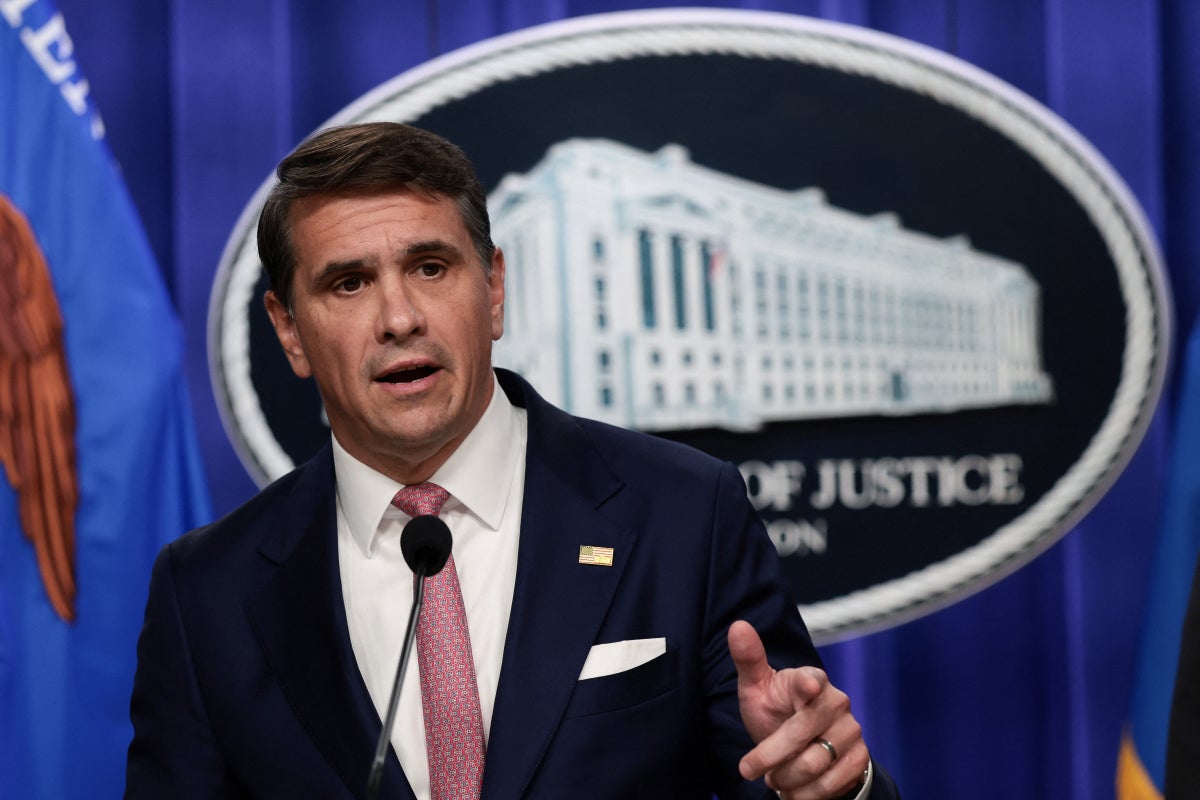
Acting Attorney GeneralTodd Blanche, through DOJ attorneys, argued the department has already “devoted incredible time and resources” to reviewing more than 6 million documents under the Epstein Files Transparency Act.
“As will become apparent, it would contravene the settled application of the EFTA for the Department to produce unredacted versions of many of the records at issue, and nothing requires that result,” Associate Attorney General Stanley Woodward wrote in the filing.
The department said the disputed records fall under statutory exemptions allowing officials to withhold information identifying victims or material that could compromise an ongoing federal investigation.
Among the contested records are at least eight email exchanges involving Epstein discussing apurported “torture video”and sexual activity with young women, including minors, as well as FBI interview materials involving a woman who alleged she was abused by PresidentDonald Trumpas a minor.
Woodward said the department concealed senders and recipients in several emails because they contained victims’ names or private email addresses.
“One of the complicating aspects of administering the EFTA is that many communications written by victims, without context, can appear disturbing on their face,” Woodward wrote. “Consistent with that statutory authority, the Department has sought to prevent [personally identifiable information of victims] from becoming public even in instances where the victims eventually became complicit or engaged in reprehensible activity or communications.”
The DOJ also said it could not produce an unredacted draft indictment from the Southern District of Florida because the original photocopy already contained redactions and officials “have not been able to locate an unredacted version.”
Separately, the department said certain handwritten FBI interview notes could not be released because of “technical limitations” preventing officials from ensuring the materials are fully stripped of victims’ personally identifying information.
JUDGE ORDERS DOJ TO UNREDACT EPSTEIN FILES RELATED TO TRUMP AND ‘TORTURE VIDEO’
Rather than release additional records publicly, the DOJ offered to provide Sullivan with more detailed explanations during closed-door proceedings.
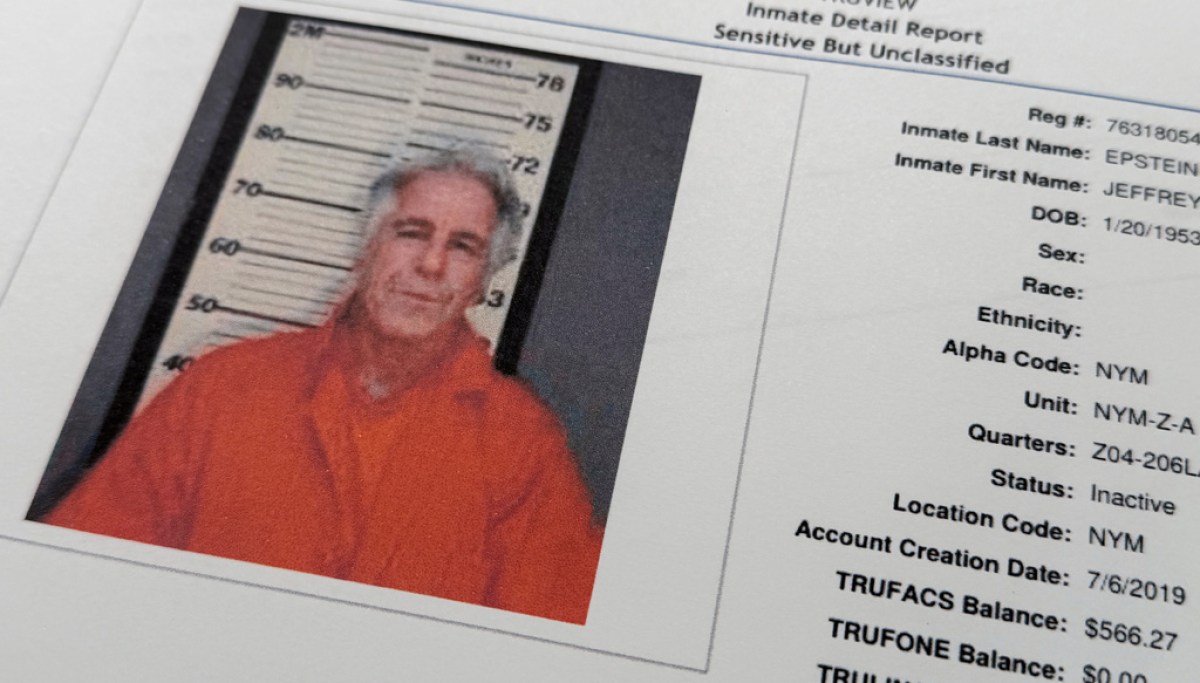
This most recent filing from Woodward marks the latest defense by the DOJ of its handling of theEpstein files, which have drawn bipartisan criticism over the pace and scope of the disclosures related to the convicted sex offender and those associated with him.