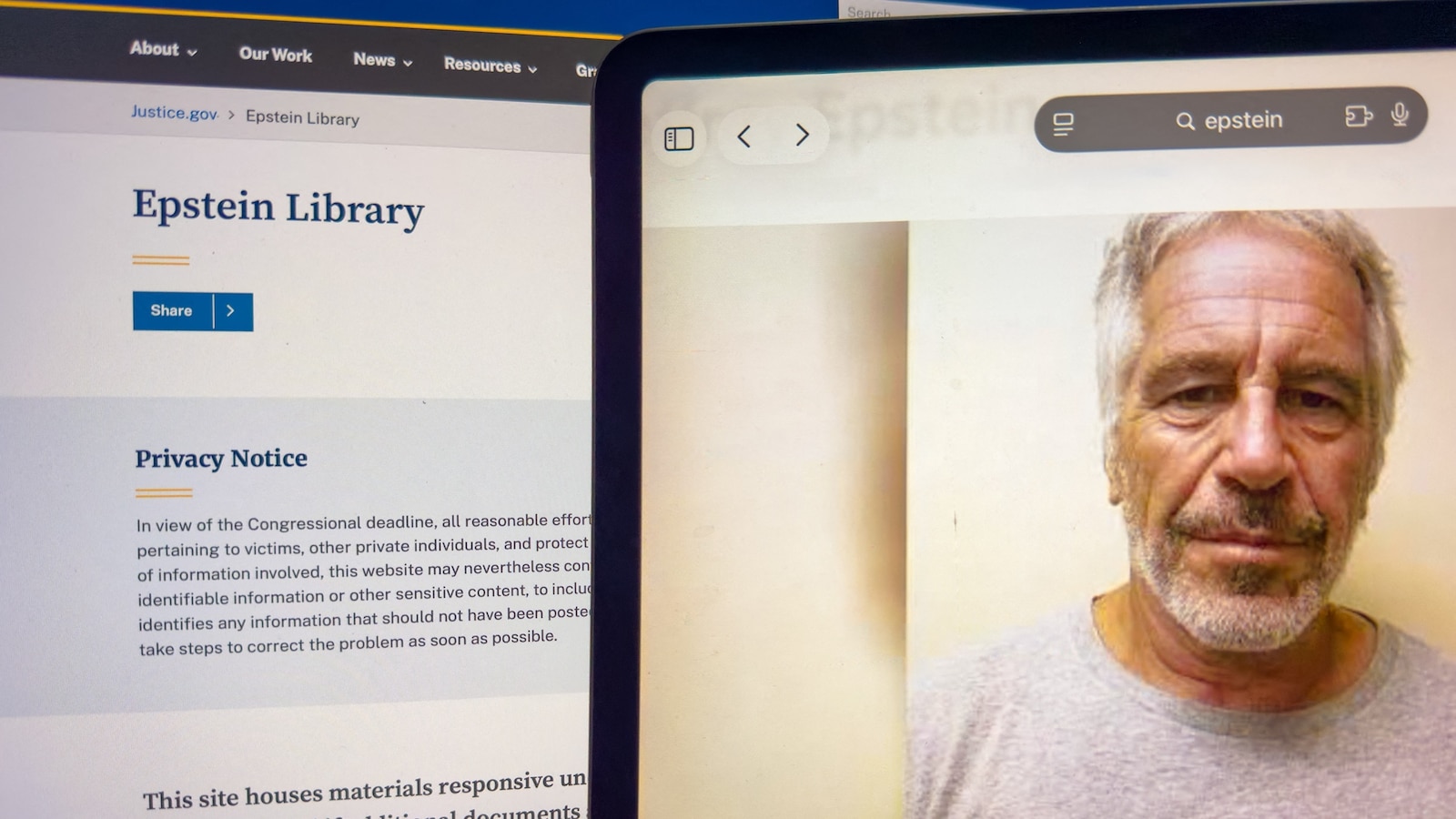
Justice Department officials in a new court filing released July 2 defended their limited release of investigative materials tied to the case of convicted sex offenderJeffrey Epstein.
The Justice Department released 3.5 million pages of documents tied to Epstein but much of what federal authorities released was heavily redacted and the department withheld another 2.5 million pages. The department’s limited release of materials prompted outcry and lawsuits from people saying the department was acting to protect rich and powerful people mentioned in the files.
Acting Attorney GeneralTodd Blanchein the new filing defended his agency’s decision towithhold millionsof investigative files, saying that releasing more materials would harm Epstein’s victims and the government. Blanche instead offered to share additional materials "in camera," a legal term meaning behind closed doors with a judge.
"The Court should not order the Department to take further action," Blanche said. "The Government can share additional details regarding specific records in camera or with appropriate protections in place."
Blanche’s filing is the latest in a case brought by Katie Phang, a lawyer and independent journalist who previously hosted a show on MSNBC, against the Justice Department over their limited release of the Epstein files. The case was filed in Washington, D.C., on April 27. U.S. District Judge Emmet Sullivan is presiding.
The filing from the Justice Department’s top lawyer comes in response to anorderSullivan issued, mandating the department either release more investigative materials, including unredacted names of potential co-conspirators and FBI interview notes, or explain why department officials refuse to do so.
Many advocates for transparency and accountability viewed that release as underwhelming, or even worse – as defiance of a November federal statute, theEpstein Files Transparency Act, which ordered the DOJ to release unclassified DOJ files related to convicted sex offender Jeffrey Epstein, with a handful of permitted exceptions.
Blanche has previously defended the DOJ's actions in response to the transparency law. He said many documents werewithheld to protect victim privacy, which is permitted under the transparency law. Healso saidthe DOJ withheld documents for some reasons that were not explicitly allowed, such as toshield internal department deliberationstied to Epstein.
The limited release followed adecades-long track recordthat has left many accusers deeply frustrated.
Epstein, an accused sex trafficker whorubbed shoulderswith many of the world'smost richandfamous men, including Trump and former President Bill Clinton, pleaded guilty in 2008 totwo Florida state prostitution crimes, one involving a minor, as part of a plea deal that let him escape state or federal charges thatcould have been far more severe.
Epstein served about 13 months in a Florida jail, and was often permitted to leave the jail on work release.
It wasn't until 2019that Epstein was arrested on federal sex trafficking charges. He died in a Manhattan jail later that year, while awaiting his trial. A medical examinerruled his death a suicide.
Epstein's former girlfriend and longtime associate Ghislaine Maxwell was later charged and convicted of sex trafficking a minor to him. She is currentlyserving a 20-year prison sentence.
In July 2025, the DOJ and FBIreleased a memosaying Epstein "harmed over one thousand victims," but that, after a review of their files, they "did not uncover evidence that could predicate an investigation against uncharged third parties."
No Epstein associate beyond Maxwell has faced criminal charges in the U.S. tied to the sex-trafficking allegations against him.