The New Yorker, who was abused by the financier at 17, says the Justice Department is hindering the investigation
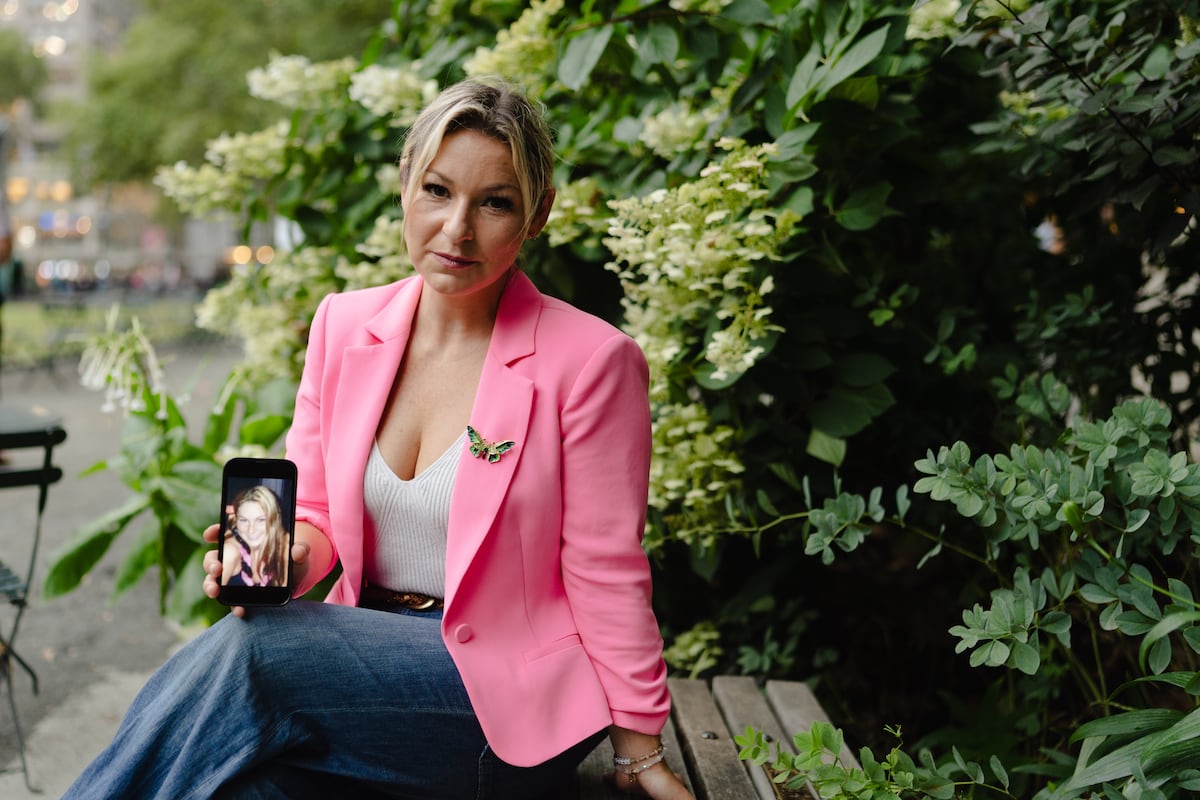
Since she was a child, Dani Bensky, 39, dreamed of stepping onto a stage and performing. Ballet was her passion. But at 17, her path crossed with that of financier andconvicted sex offender Jeffrey Epstein, who died by suicide in prison seven years ago. Now, following the Justice Department’s controversial handling of the Epstein files and the appointment of Todd Blanche as attorney general, the official responsible for overseeing their release, Bensky is fighting to obtain justice for herself and for the financier’s thousands of survivors. “The United States has failed spectacularly in this case,” she says in a video interview from New Jersey, where she lives.
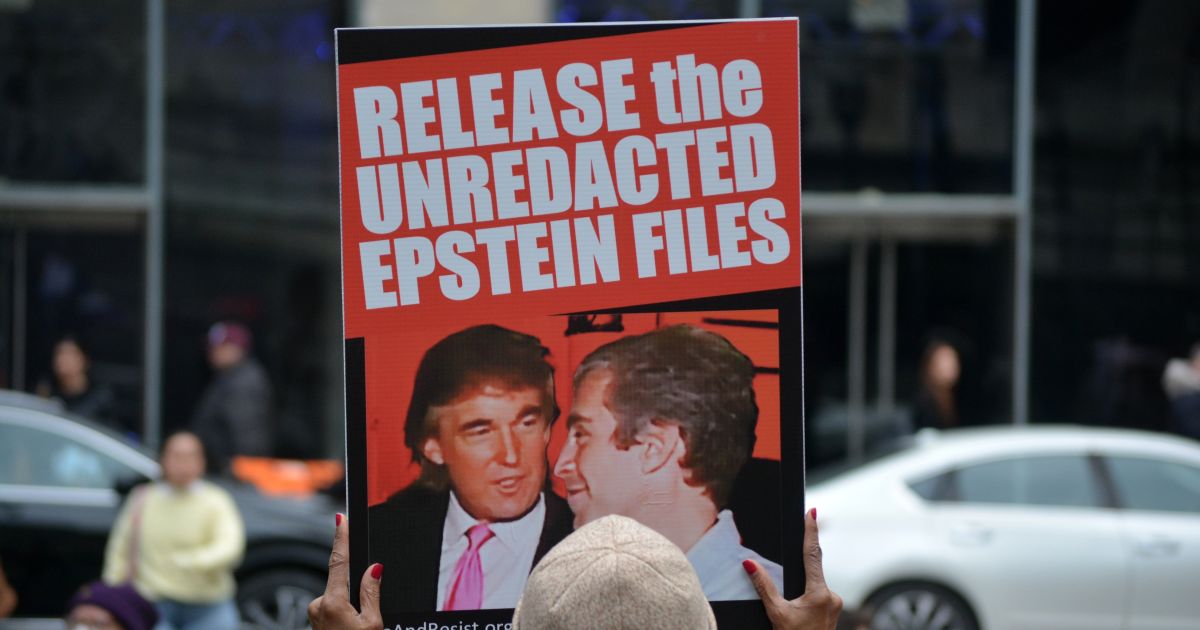
Epstein ran what is widely regarded as one of the largest known networks for the sexual abuse and trafficking of girls and young women. Last year, both chambers of Congress unanimously passed the Epstein Files Transparency Act, requiring the Justice Department to release unclassified documents related to the case. Since then, nearly half of the six million files held by the government have been made public, revealing Epstein’s ties to numerous public figures, from current U.S. President Donald Trump toNorway’s now queen consort, Mette-Marit.
For Bensky, it all goes back to 2004. She had left her family home and was looking for ways to continue pursuing ballet. “You should go see Jeffrey,” suggested a girl she had met. “He’s an older guy on the Upper East Side. You could make $200 or $300 just for giving him a massage.”
Bensky remembers every detail: “At first I was very worried, confused, and I asked what I had to do. She said, ‘You just have to go and give him a massage, and you know how to work the body really well because you’re a dancer. It won’t feel strange.’” Unaware of what would happen behind closed doors, Bensky decided to meet him.
She visited Epstein’s mansion at 9 East 71st Street with a friend: “The first time we went, it was really a massage. He wouldn’t stop talking; he bombarded us with questions about where our families were, who we lived with, what our dreams were...”
The next time she returned, Epstein’s plan unfolded. “He kept me there talking about ballet and classical music. It was a slow manipulation,” she says. Over time, she came to realize that her passion had become his main weapon against her: “He told me, ‘If you want me to help your career, give you studio time, buy you pointe shoes, introduce you to the director of American Ballet Theatre... Let’s have a look at your body.’”
To the young Bensky, who had grown up attending private ballet lessons where her body was often scrutinized, there seemed to be no reason to be suspicious. “He would tell me to undress and then examine me, but it was always like a lesson. Then came the massages, which were also like a lesson and ended in quite an inappropriate way. I always thought, ‘It’s Jeffrey doing what Jeffrey does.’”
She returned home when her mother was diagnosed with a brain tumor: “I knew Jeffrey had been involved in medicine. I thought his money came from that. In the mansion, a sculpture of a brain caught my eye. I thought maybe he was a neurosurgeon.”
She brought her mother’s test results to him, believing the man she trusted then could help: “He wanted me to recruit more girls for him, which I never did, and he threatened my mother. He said he could make sure the best specialist would take care of her,” she recalls.
What she remembers about their next encounter is his aggression. “He assaulted me; he grabbed me hard.” When she turned 18, Epstein intensified the threats: “He told me, ‘Now you’re a prostitute.’”
The young woman clung to ballet as a way out of her nightmare, but the emotional burden soon became unbearable, and she eventually gave it up.
The abuse continued for a year, until 2005, when her mother underwent surgery. “He no longer had any power over me. I stopped answering his calls and he simply disappeared,” she recounts.
Three years passed without her hearing from him. In 2008, after Epstein’s first arrest, the FBI summoned her to appear as a victim: “It was an interrogation more than a friendly interview. I did not have a lawyer specialized in victims’ rights or any legal counsel with me. There was no support system either.”
At first she testified, but warnings from her friend that Epstein had been following her made her deny everything in the end. Even so, Bensky never truly escaped her abuser. A visit from FBI agents to her home in 2019, before sex-trafficking chargeswere brought against Epstein, dragged her back into the past. Later that year, the billionaire sex offender died by suicide in prison.