Maxwell claims material in the files invalidates her sex-trafficking conviction.
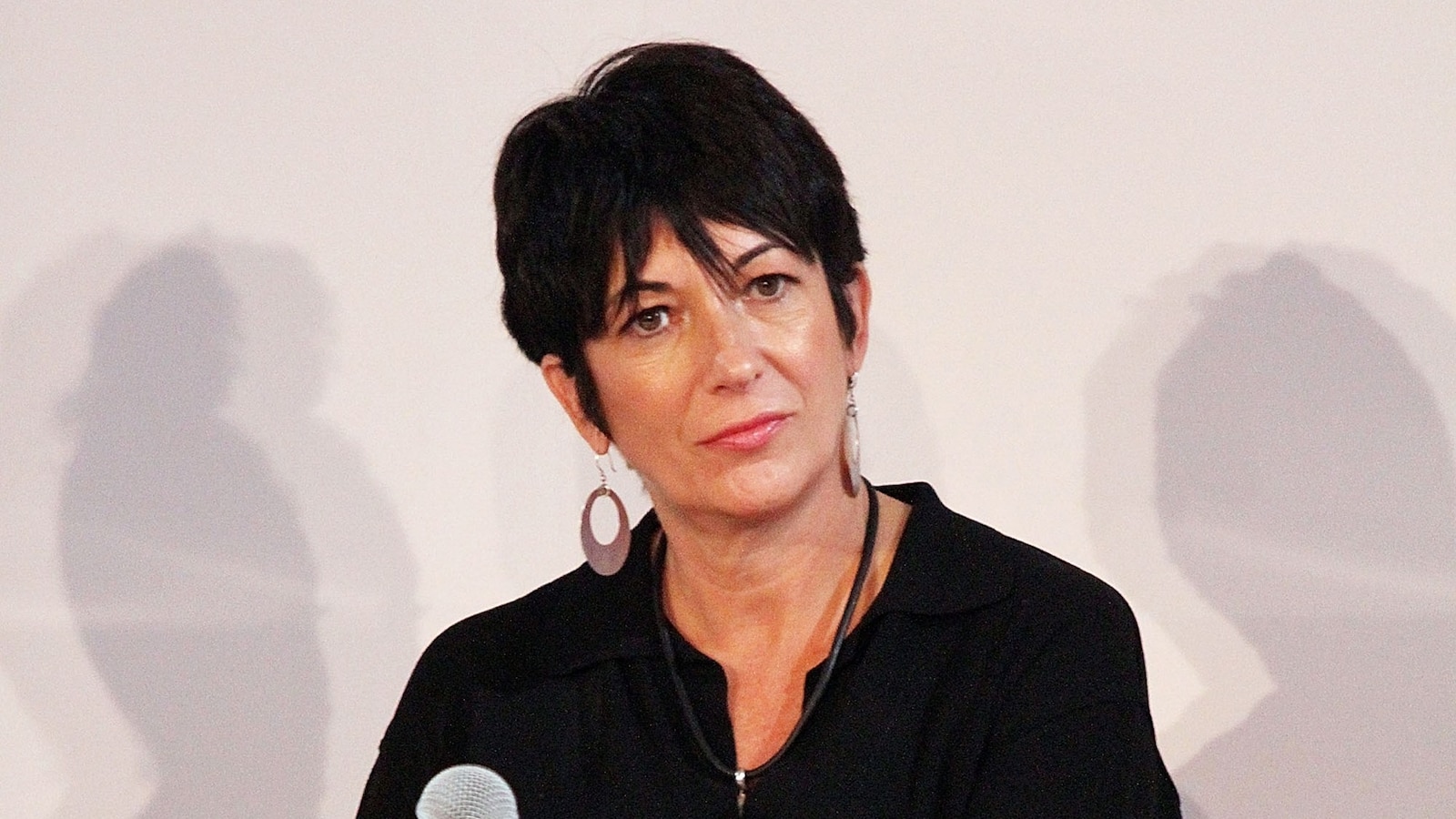
Jeffrey Epstein associate Ghislaine Maxwell argues in a newly unsealed petition in federal court that documents released under theEpstein Files Transparency Acthave exposed alleged constitutional and legal violations that render her 2021 sex-trafficking conviction "invalid, unsafe and infirm," according to court documents made public on Wednesday.
Maxwell -- who is serving a20-year sentenceat a federal prison camp in Texas for aiding and participating in Epstein's trafficking of underage girls -- contends that among the millions of files disclosed by the Justice Department since the law passed in November are records that have "expanded the evidentiary landscape" of her case beyond what was considered by the trial judge and the appellate courts.
"No reasonable juror would have convicted her had these documents been placed before the jury or had the material [been] made available for cross examination and impeachment purposes," Maxwell wrote in her filing, which had been sealed since its submission in April.
Maxwell, 64, is representing herself in an effort to have her conviction vacated or her sentence reduced. She argues that the cumulative effect of the newly disclosed records demonstrates the need for an evidentiary hearing and contends that "further factual development is necessary."
She cites DOJ documents from theEpstein filesthat she alleges offer new support to her arguments that the government withheld relevant evidence, that witnesses testified falsely, and that attorneys for Epstein's victims acted as de facto prosecutors in her criminal case.
Federal prosecutors in New York, in a sweeping rebuttal spanning nearly 100 pages, called her claims speculative, factually erroneous and procedurally barred, according to a May 19 filing that was also unsealed Wednesday.
"The defendant seeks to sweep away the judgment of conviction representing the solemn verdict of a jury," wrote Assistant U.S. Attorney Lara Pomerantz, the only member of the government's trial team still working in the prosecutor's office in the Southern District of New York.
"[Maxwell's] lengthy papers make repeated baseless claims of government misconduct, unmoored from law, logic or the record," Pomerantz wrote in urging the court to swiftly reject Maxwell's petition and her request for an evidentiary hearing.
"Her victims deserve finality," Pomerantz wrote. "The supposedly new evidence the defendant cites ... affords her no relief."
The government conceded in its filing that, in some instances, documents that are now public were not in possession of Maxwell's attorneys before her trial -- but argued that none of those occurrences amounted to legal or constitutional violations or would have impacted the verdict.
Maxwell -- in a reply to the government filed earlier this month -- argued that the government's approach to her petition attempts to "minimize each category" of evidence individually, rather than evaluating the Epstein files and other post-trial developments as "components of a larger evidentiary picture."
"The issues presented here are not routine. The petition involves a substantial body of post-trial evidence disclosed years after conviction through a statutory transparency process that did not exist during the underlying proceedings," Maxwell wrote in her reply. "The Court's task therefore is not to evaluate each disclosure in isolation, but to consider the cumulative force of a record that is substantially different from the record available during trial, direct appeal, and prior collateral review."
Maxwell -- the only person charged in Epstein's alleged child sex trafficking conspiracy other than Epstein himself -- has long argued that federal prosecutors selectively targeted her as a "substitute" for Epstein, after hedied by suicidewhile in federal custody in 2019.
Having exhausted all of her direct appeals, Maxwell initially filed a habeas petition this past December in which she contended that "substantial new evidence" had emerged regarding her case. Theoriginal filingalleged nine separate grounds -- including juror misconduct and government suppression of evidence -- for her contention that constitutional violations undermined the integrity of her trial.